When most people picture a carpenter, they think of a hammer and a stack of lumber. In reality, a good carpentry contractor is one of the most versatile trades you can hire, touching everything from the door you walk through each morning to the framing hidden inside your walls. On Long Island, where much of the housing stock dates back decades and coastal moisture is a constant, skilled carpentry is often the difference between a home that feels tired and one that feels finished.
Finish carpentry: the details you see every day
Finish carpentry is the visible layer of your home, and it is where craftsmanship shows the most. This includes baseboards, crown molding, window and door casings, wainscoting, chair rails and interior doors. These pieces frame every room, and when they are cut cleanly, mitered tight and painted well, they quietly make a whole house look more expensive without anyone knowing exactly why.
Many Long Island homes, especially Capes, colonials and older ranches in Suffolk and Nassau, were built with simple or dated trim that has since been painted over dozens of times. Replacing or upgrading that trim is one of the highest-impact projects a carpenter can do. It modernizes a space, hides years of wear, and gives rooms a crisp, intentional edge that flooring and paint alone cannot deliver.
The skill here is in the joints. Old walls are rarely straight and old floors are rarely level, so a carpenter who knows how to scribe, shim and caulk to hide those imperfections will produce a result that looks factory-perfect even in a house built in the 1950s.
Custom built-ins and storage that fit your space
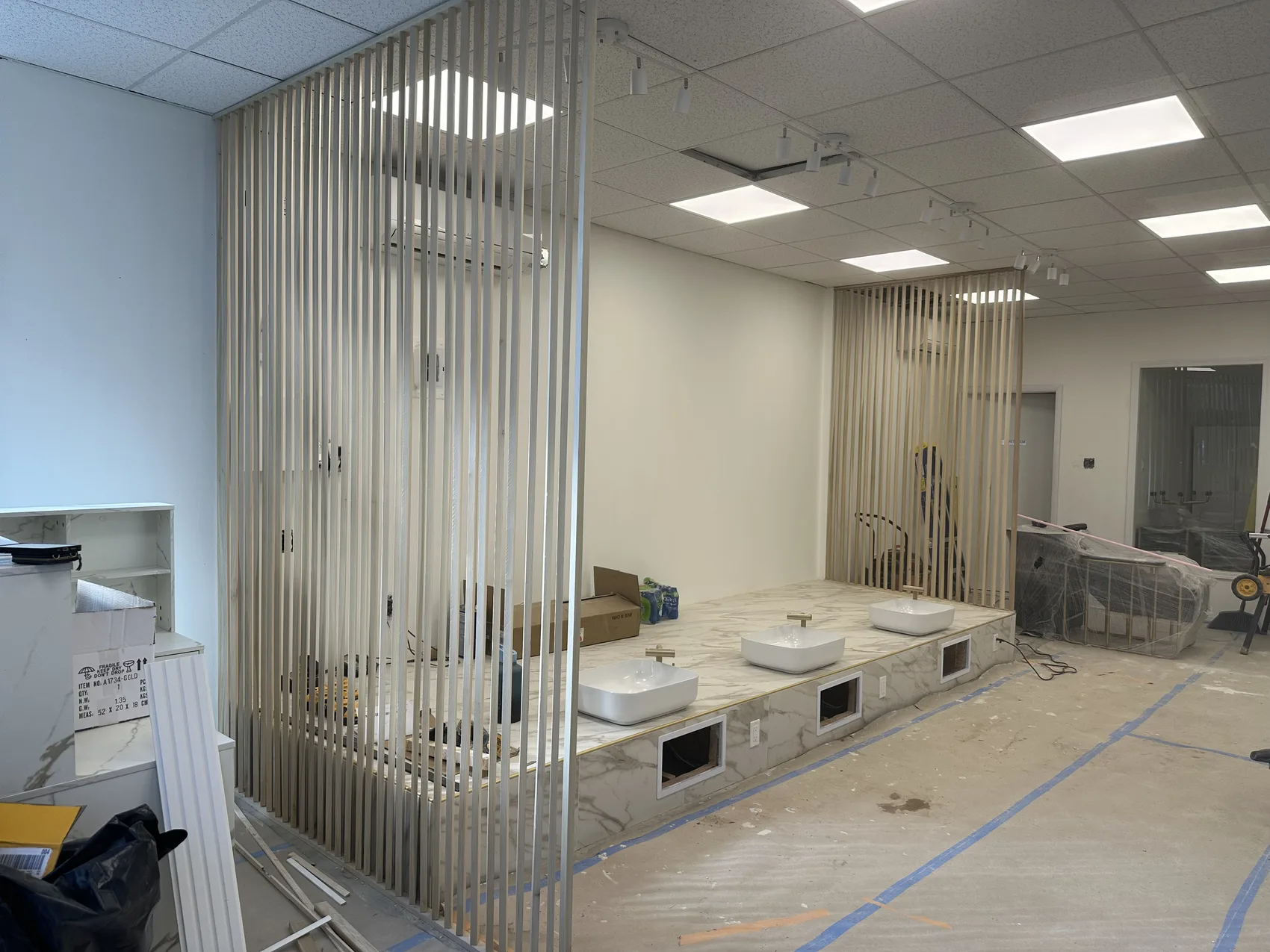
One of the biggest advantages of hiring a carpenter over buying flat-pack furniture is that everything is built to fit your actual walls. Custom built-in bookshelves, entertainment centers, window seats, mudroom benches, pantry shelving and closet systems all use space that store-bought pieces simply cannot reach, like that awkward nook beside a chimney or the full height of a wall up to the ceiling.
This matters a lot on Long Island, where many homes are generous in charm but tight on modern storage. A carpenter can turn an unused corner into a home office desk, wrap a basement post in a finished column, or build a bench with hidden shoe storage by the side door where the whole family actually enters. These projects are practical first, but they also read as premium features when it comes time to sell.
Because built-ins are fixed to the house, the quality of the framing and fastening behind them matters as much as the finish. A well-built unit stays square and solid for decades, while a rushed one racks, sags or pulls away from the wall within a few seasons.
Doors, windows and exterior carpentry
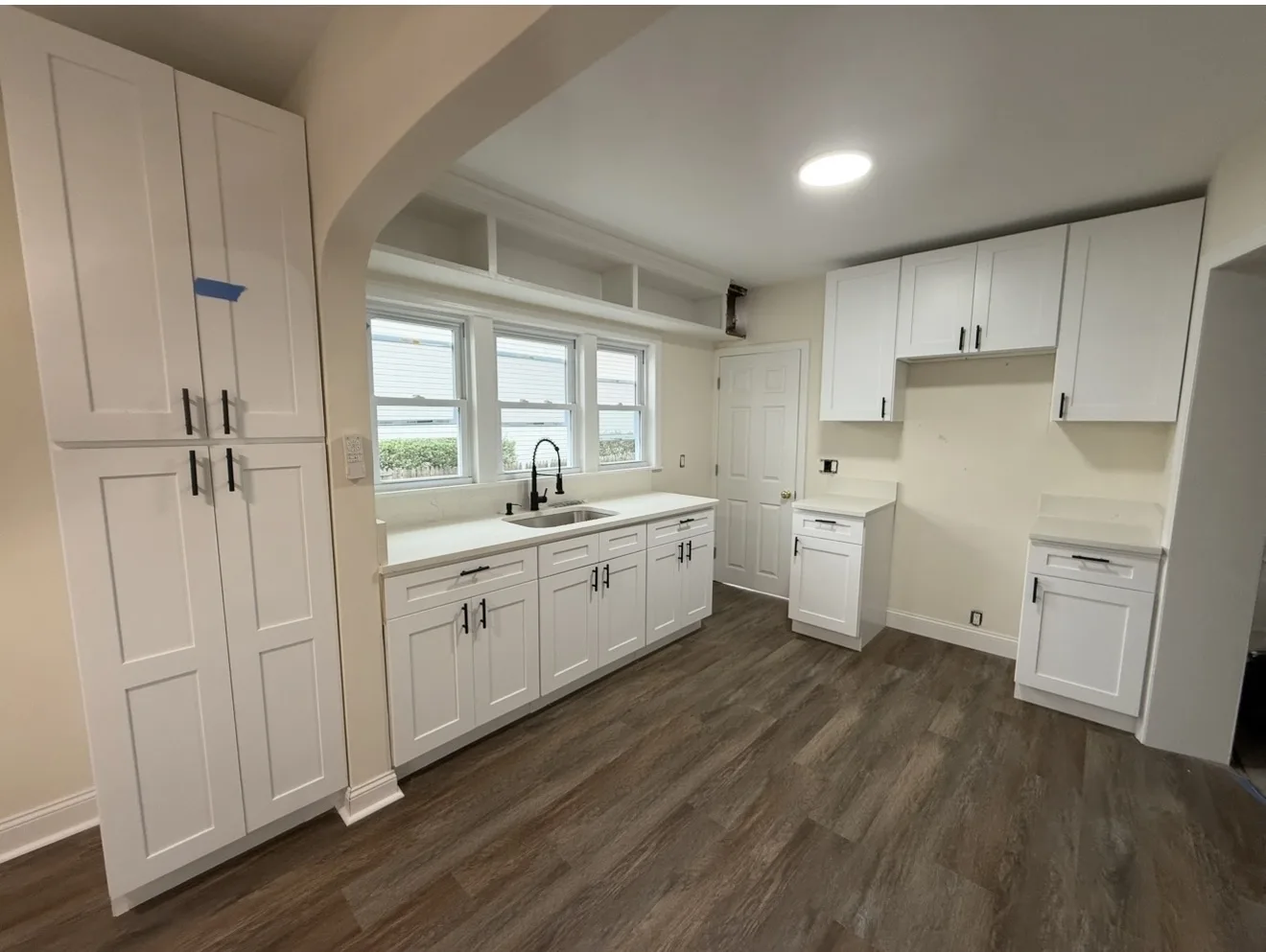
Carpenters do far more than interiors. Hanging and adjusting doors so they close cleanly, replacing rotted window sills, building or repairing exterior trim, soffits and fascia, and installing thresholds and weatherstripping are all everyday carpentry work. On the exterior, these details are also your home's first line of defense against water and drafts.
This is where Long Island's climate becomes a real factor. Homes near the South Shore deal with salt air and high humidity, and wind-driven rain from coastal storms finds every gap. Exterior wood trim, door frames and sills take that abuse year after year, and once water gets behind a poorly sealed piece, rot spreads quietly until a whole section needs replacing. Catching and repairing these areas early is far cheaper than waiting.
A carpenter who understands local conditions will choose the right materials for the job, use exterior-grade fasteners and adhesives, and detail the flashing and caulking so water sheds away instead of soaking in. That attention is what keeps a repair lasting a decade instead of two winters.
Structural and rough carpentry
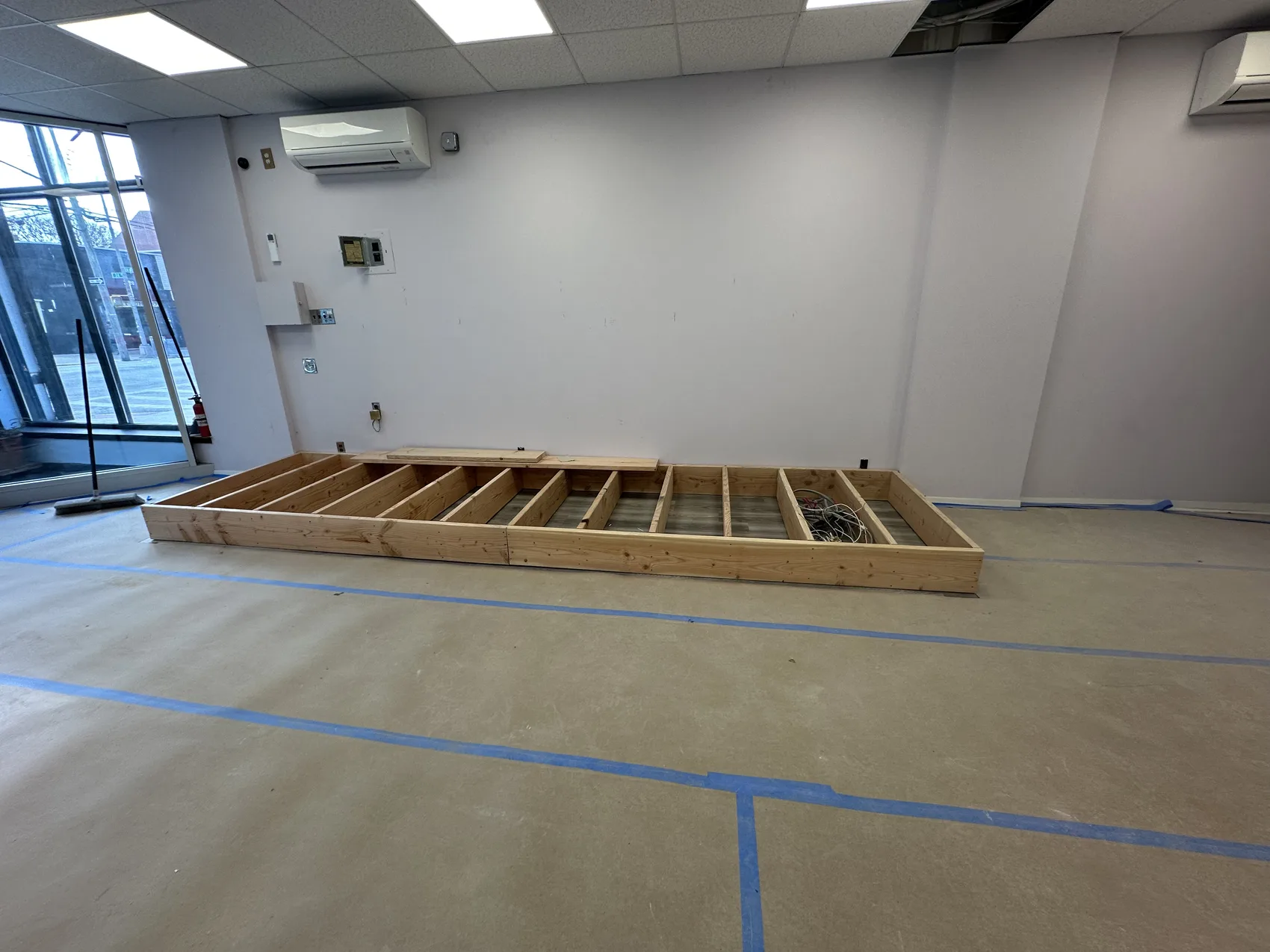
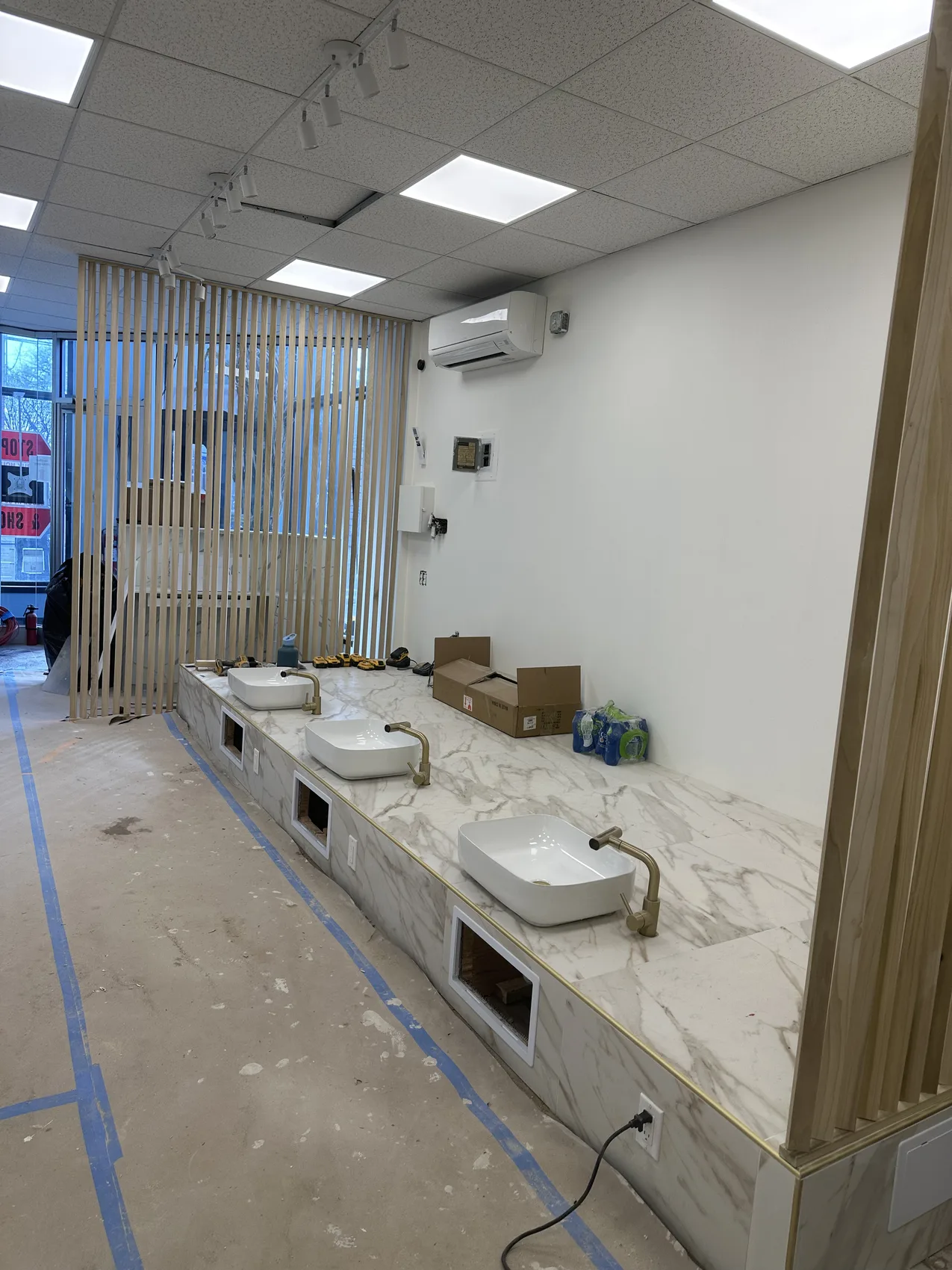
Behind the finished surfaces is the framing that holds your home together, and this is where rough carpentry lives. Building new walls to divide or open up a room, framing a closet or a new doorway, reinforcing floor joists, and repairing damaged framing all fall under a carpenter's skill set. This is the structural work that makes a renovation possible before any drywall or flooring goes in.
Older Long Island homes often reveal surprises once a wall is opened, such as undersized joists, past DIY modifications, or moisture damage in the framing around bathrooms and exterior walls. A carpenter with experience knows how to assess whether something is cosmetic or structural, and when a project needs a permit or a licensed professional to sign off. That judgment protects you from turning a small fix into a big problem.
Because this work is hidden, homeowners rarely see it, but it is the foundation everything else rests on. Level floors, square walls and solid framing are what let the finish carpentry, tile and cabinetry that follow actually fit and last.
What it costs and how to hire the right carpenter
Carpentry pricing varies widely because the work does. Small jobs like re-hanging a door or replacing a sill are modest, while trimming out a full room, building custom built-ins or framing an addition are much larger investments. As a rough guide, finish trim work often runs in typical ranges that vary by project depending on the material and linear footage, and custom built-ins are priced by size and complexity. The only reliable number is one based on your actual home, so the smart move is always to get a free written estimate before you plan a budget.
When choosing a carpenter, look for local experience, a willingness to walk the project with you in person, and clear communication about what is included. A contractor who works with one consistent crew, keeps the job site clean, and explains the plan in plain language will save you stress and surprises. Cheap quotes that skip these basics usually cost more in the end.
Jireh Solutions has been doing flooring, carpentry and painting across Suffolk and Nassau for 20 years, working with one dependable crew and treating each home as if it were our own. If you are weighing a project, call (631) 875-9031 for a free estimate and an honest read on what your home actually needs.
Frequently asked questions
A carpenter specializes in working with wood and related materials, from framing and structural repairs to trim, doors and custom built-ins. A general contractor manages an entire project and coordinates multiple trades. For focused work like trim, built-ins, doors or framing repairs, hiring a carpentry contractor directly is usually faster and more cost-effective.
Yes, this is common carpentry work and it is especially frequent on Long Island because of coastal humidity and wind-driven rain. A carpenter removes the damaged wood, checks whether moisture has spread into the framing behind it, replaces the affected pieces, and seals everything properly so it sheds water. Catching rot early keeps a small repair from becoming a structural one.
It depends entirely on scope. Hanging a door or repairing a sill can be a few hours, trimming out a room may take a day or two, and larger custom built-ins or framing work can run several days or more. During a free estimate we walk the project, explain the steps, and give you a realistic timeline before any work begins.
Well-built, tasteful built-ins are generally seen as a premium feature because they add usable storage and a finished, custom look that buyers notice. The key is quality and neutral design that fits the home rather than overly personal choices. Practical additions like mudroom benches, closet systems and built-in shelving tend to appeal to the widest range of buyers.