Picking a floor is one of the biggest decisions a Long Island homeowner makes, and the three most popular options (luxury vinyl plank, solid or engineered hardwood, and laminate) each behave very differently in our climate. Between humid South Shore summers, older Nassau and Suffolk homes with settling subfloors, and damp basements, the right choice is rarely about looks alone. This guide breaks down how each floor really performs so you can invest once and be happy for years.
The three contenders at a glance
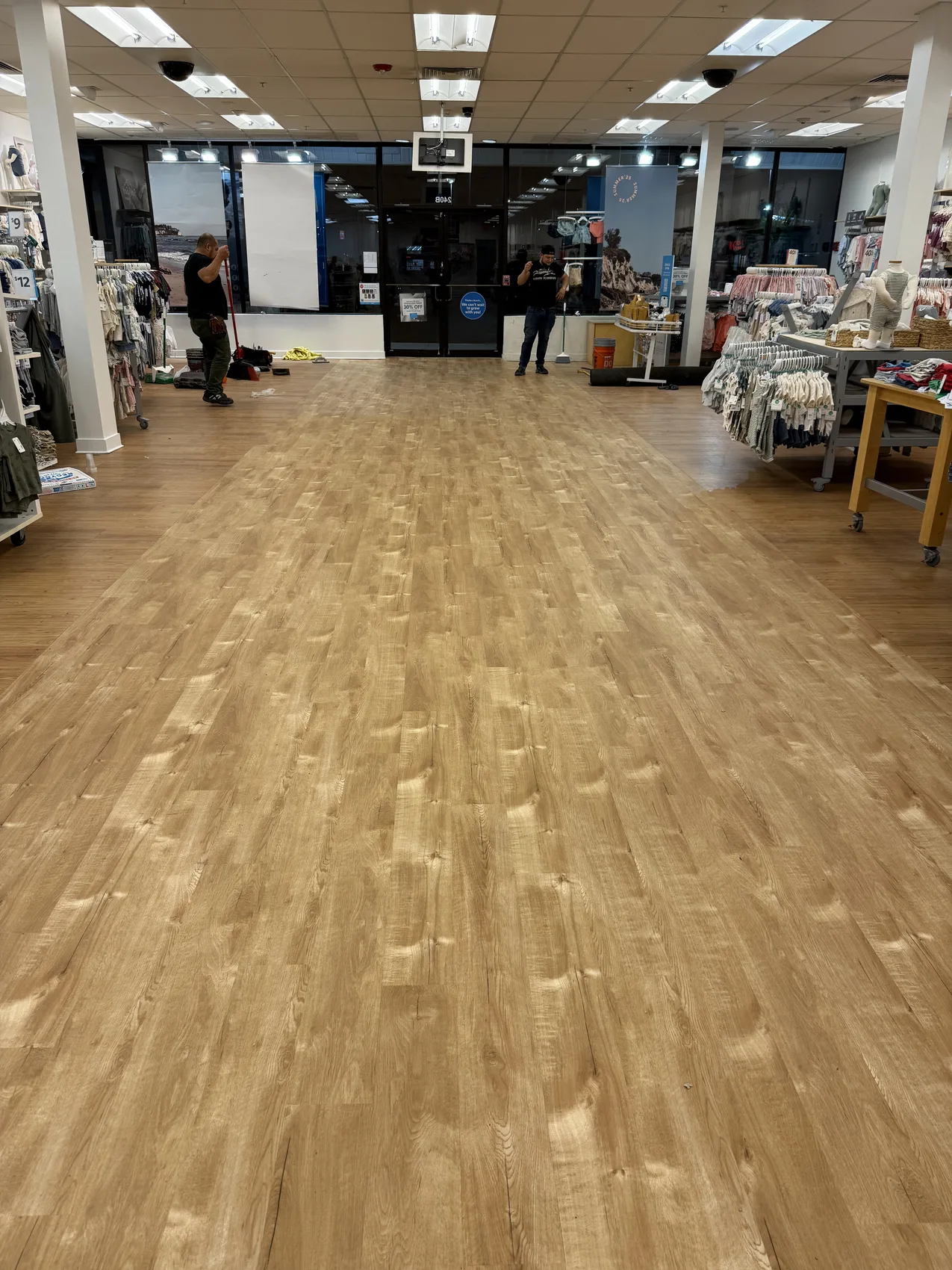
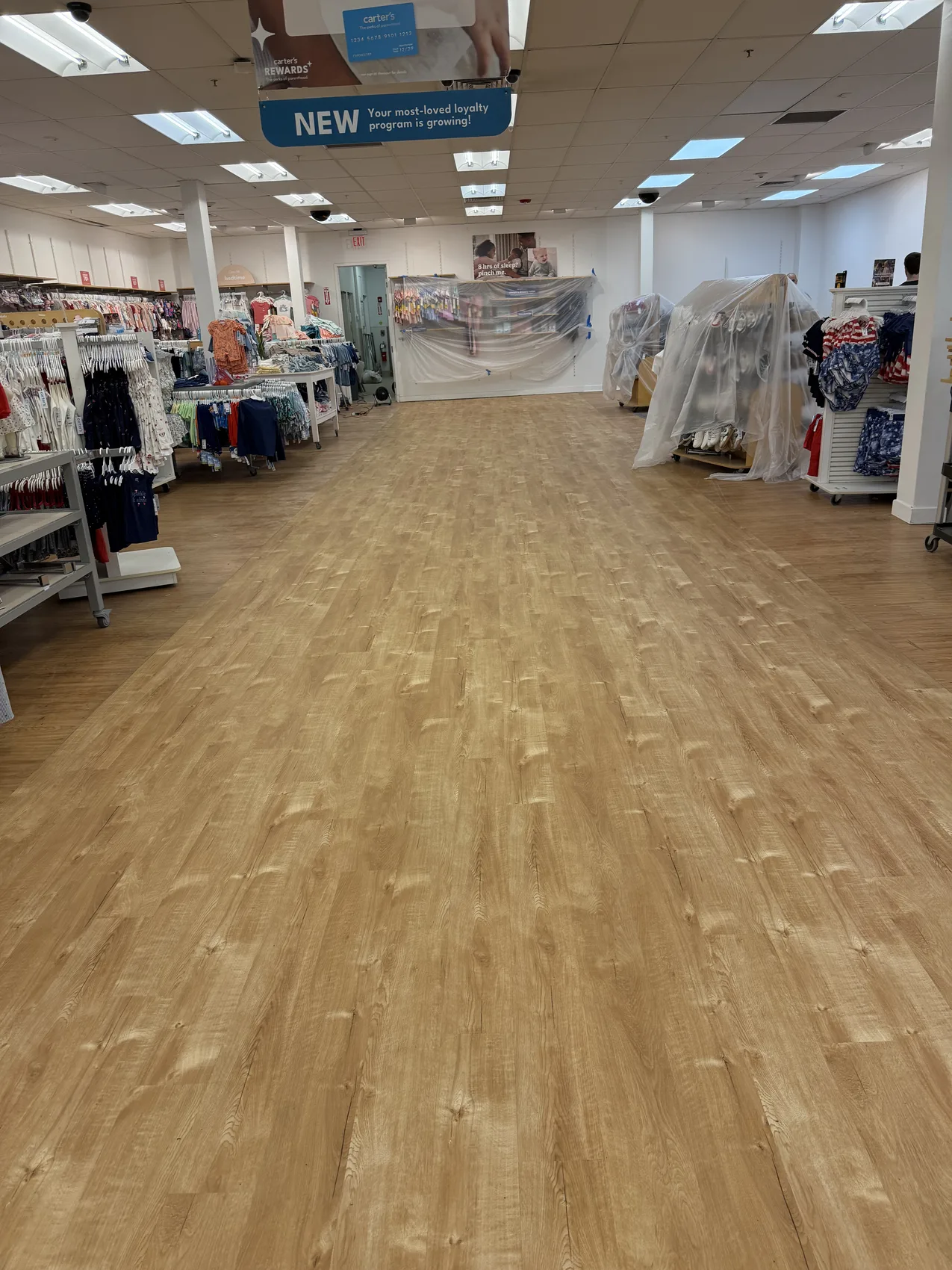
Luxury vinyl plank (often called LVP) is a fully synthetic, multi-layer floor with a photographic wood-look surface and a waterproof core. It clicks together as a floating floor over most existing surfaces and has become the go-to for busy family homes because it shrugs off water, scratches and spills.
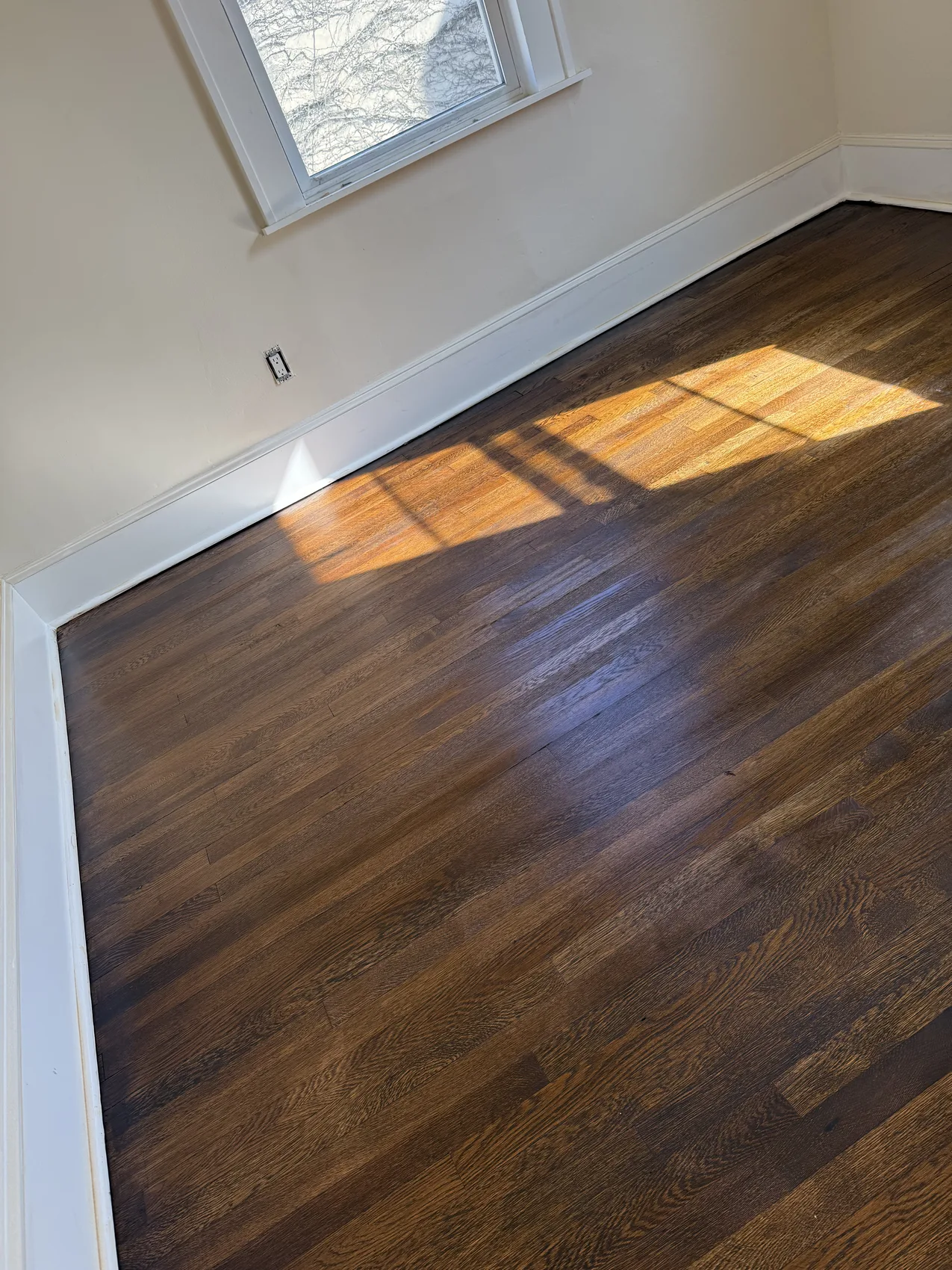
Hardwood is the real thing: planks milled from oak, maple, hickory or similar species. Solid hardwood is one piece of wood top to bottom, while engineered hardwood has a genuine wood veneer over a plywood core that handles humidity swings better. Both can be sanded and refinished, which is their superpower.
Laminate sits in between. It has a dense fiberboard (HDF) core topped with a photographic layer and a tough wear coat. It looks like wood, resists surface scratches very well, and usually costs less than both, but its wood-based core is its weak point around standing water.
Moisture: the Long Island deal-breaker
If there is one variable that should drive your decision here, it is moisture. South Shore towns from Long Beach to Patchogue deal with salt air, high water tables and the occasional storm surge, and countless homes across both counties have below-grade basements that stay a little damp. Where water is a real risk, luxury vinyl plank wins outright: a quality waterproof LVP can sit in a bathroom, laundry room, mudroom or finished basement without swelling.
Laminate is the opposite story. A splash wiped up quickly is fine, but standing water that seeps into the seams will make the HDF core swell, and once an edge puffs up there is no fixing it. We steer clients away from laminate in bathrooms, near exterior doors, and anywhere below grade.
Hardwood lives in the middle. Solid hardwood hates moisture and is a poor basement choice, but engineered hardwood, with its stable plywood core, tolerates the seasonal humidity of an upstairs living room or bedroom just fine. The key is acclimating the wood to your home before installation, a step we never skip.
Cost, lifespan and resale value
Budget matters, so here are typical industry ranges that vary by project, product grade and room layout. Installed, laminate tends to be the most affordable, luxury vinyl plank sits in the middle with a wide range depending on thickness and wear layer, and hardwood is generally the biggest investment, with engineered often a bit less than solid. For an exact number on your rooms, the honest answer is to have us measure and give you a free estimate at (631) 875-9031.
Lifespan follows price to a point. Good LVP lasts 15 to 25 years, quality laminate around 15 to 20, and hardwood can last generations because it can be refinished several times rather than replaced. That refinishing ability is why solid oak floors in a 1950s Levittown or Massapequa home often outlive everything else in the house.
For resale, real hardwood still carries the most weight with buyers and appraisers on Long Island, and refinished original floors are a genuine selling point. LVP and laminate look great, but they read as practical upgrades rather than premium features.
Kids, pets and everyday wear
How a floor lives day to day matters as much as how it looks on day one. For homes with big dogs, toddlers, and a side door that never stops opening, luxury vinyl plank is the easy winner. Its wear layer resists scratches and dents, cleanup is a quick mop, and dropped toys or dog nails do not faze it.
Laminate is also very scratch-resistant on the surface, often even harder than LVP, which makes it great for high-traffic hallways and playrooms. Just remember its water limits, and be aware that laminate can sound hollow and hard underfoot unless a good underlayment is used.
Hardwood is the softest of the three and will show life over time: a dog will leave micro-scratches, and heels or heavy furniture can dent softer species. Many homeowners love that lived-in patina, and the fact that it can be sanded back to new is the built-in insurance no synthetic floor offers.
Installation and the subfloor truth
The floor you see is only half the job; what is underneath decides how it wears. Many older Long Island homes have subfloors that have settled, dipped or squeaked over the decades, and any floor installed over an uneven base will telegraph those flaws or fail early. A proper install starts with checking, leveling and preparing that foundation.
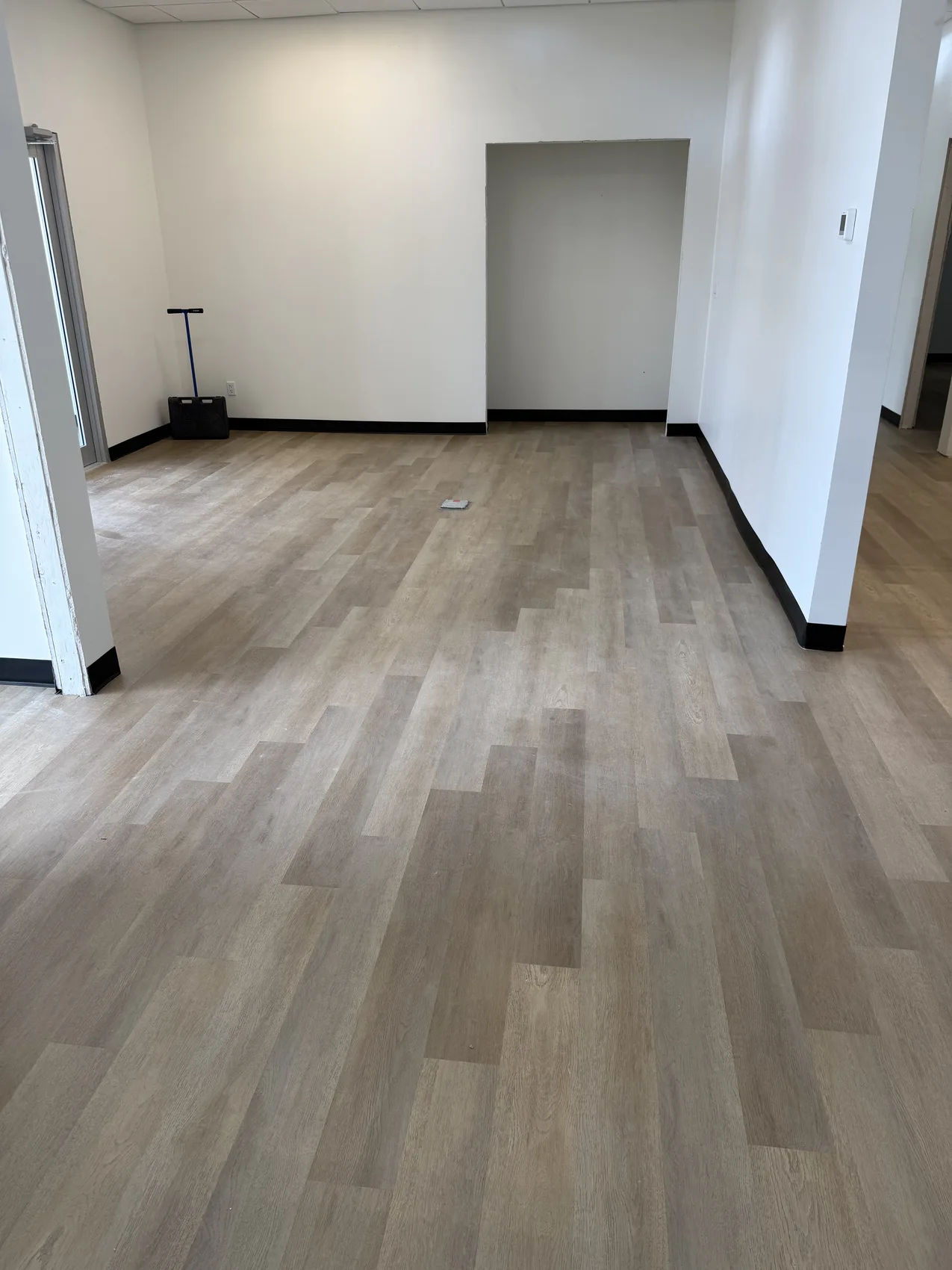
Luxury vinyl plank and laminate usually go down as floating floors that click together, which is faster and can often be installed over an existing surface. Thin LVP in particular needs a flat subfloor because it can mirror bumps underneath. Hardwood is typically nailed or glued down and is the most labor-intensive of the three, especially solid plank that needs sanding and finishing on site.
This is where a local crew with 20 years of experience earns its keep. We handle one project at a time, prep the subfloor properly, acclimate materials to your home, and keep the site clean from start to finish. If you want a straight recommendation for your rooms, call us at (631) 875-9031 for a free estimate.
Frequently asked questions
A quality LVP plank itself is waterproof, which is why it works in bathrooms and basements. Keep in mind that water can still get through the seams to the subfloor if a big spill sits for a very long time, so it is water-resistant as a system rather than a sealed tank. For normal spills and humidity it is by far the most forgiving option we install.
Solid hardwood is not a good idea below grade because basement humidity will make it cup and warp over time. If you love a wood look down there, engineered hardwood or luxury vinyl plank are much safer choices. We always test and address moisture before installing anything in a Long Island basement.
They can look nearly identical, but they feel different. Laminate is harder and a bit louder underfoot with its wood-based core, while vinyl plank is softer, warmer and quieter thanks to its plastic composition. The real difference shows up around water, where vinyl holds up and laminate does not.
For resale value on Long Island, real hardwood still carries the most appeal with buyers and appraisers, especially refinished original floors. If your budget or moisture conditions do not favor wood, a mid-grade luxury vinyl plank in a neutral tone shows very well and is an easy, durable upgrade. Call us at (631) 875-9031 and we can suggest the best fit for your home.