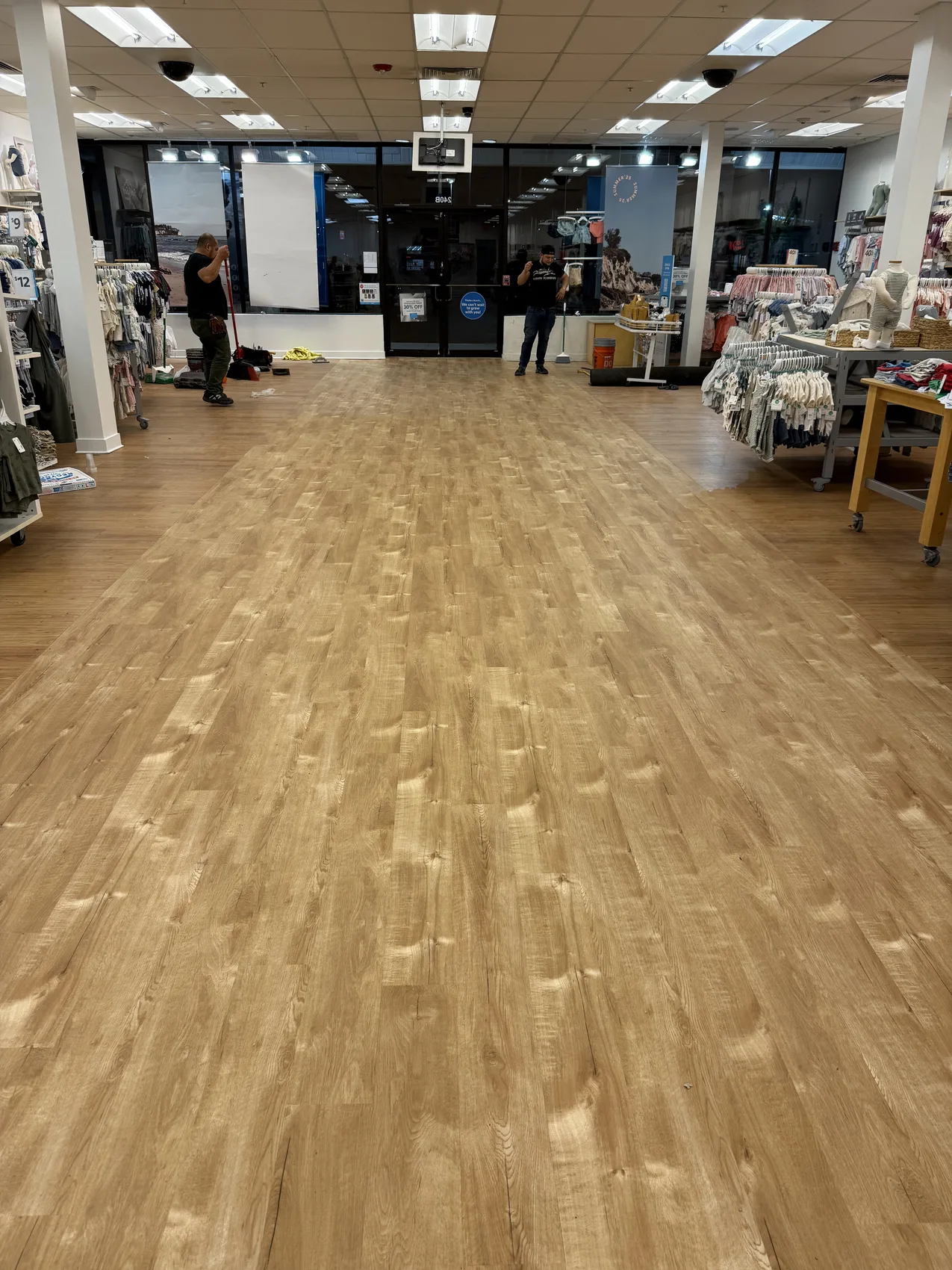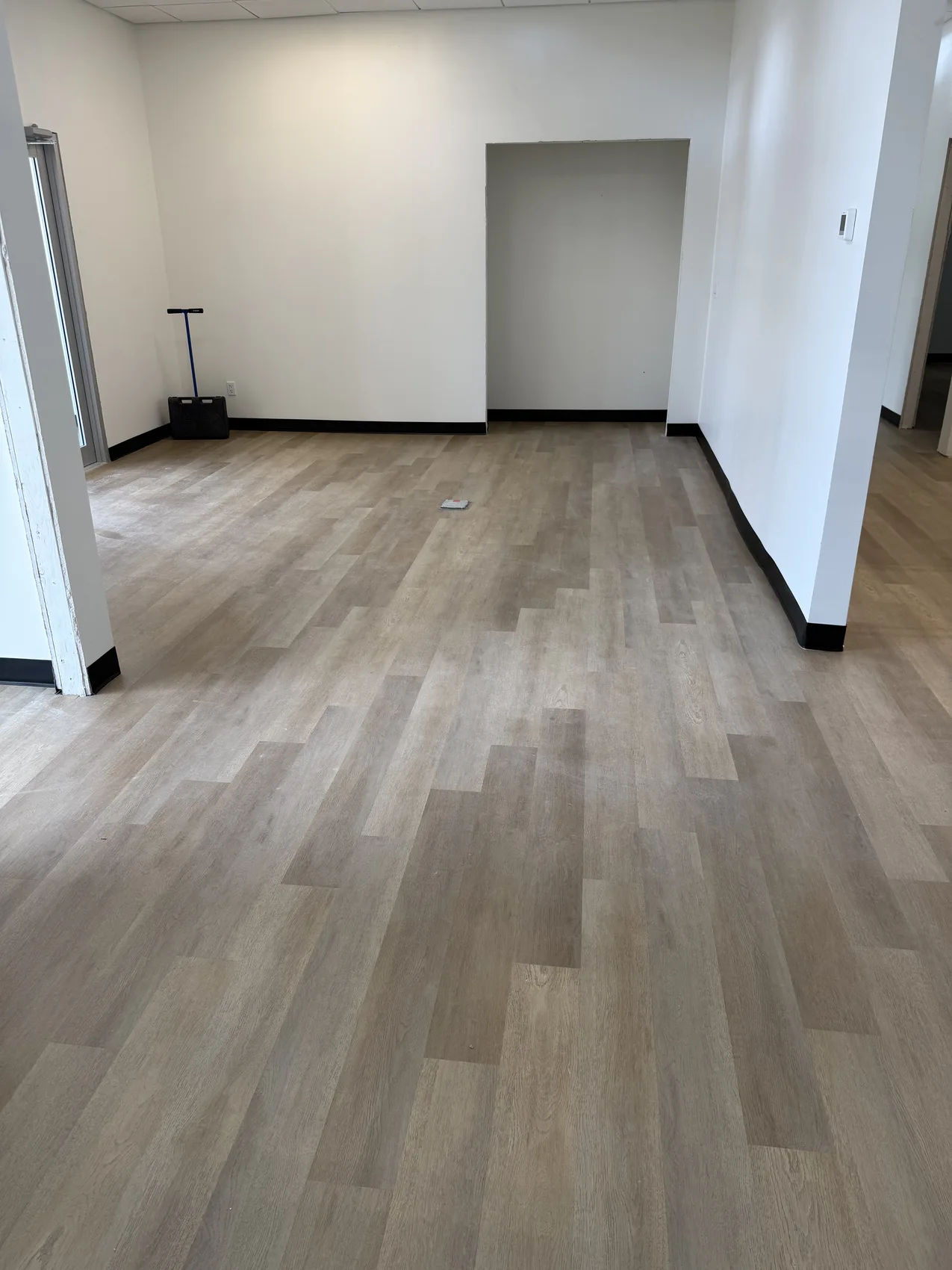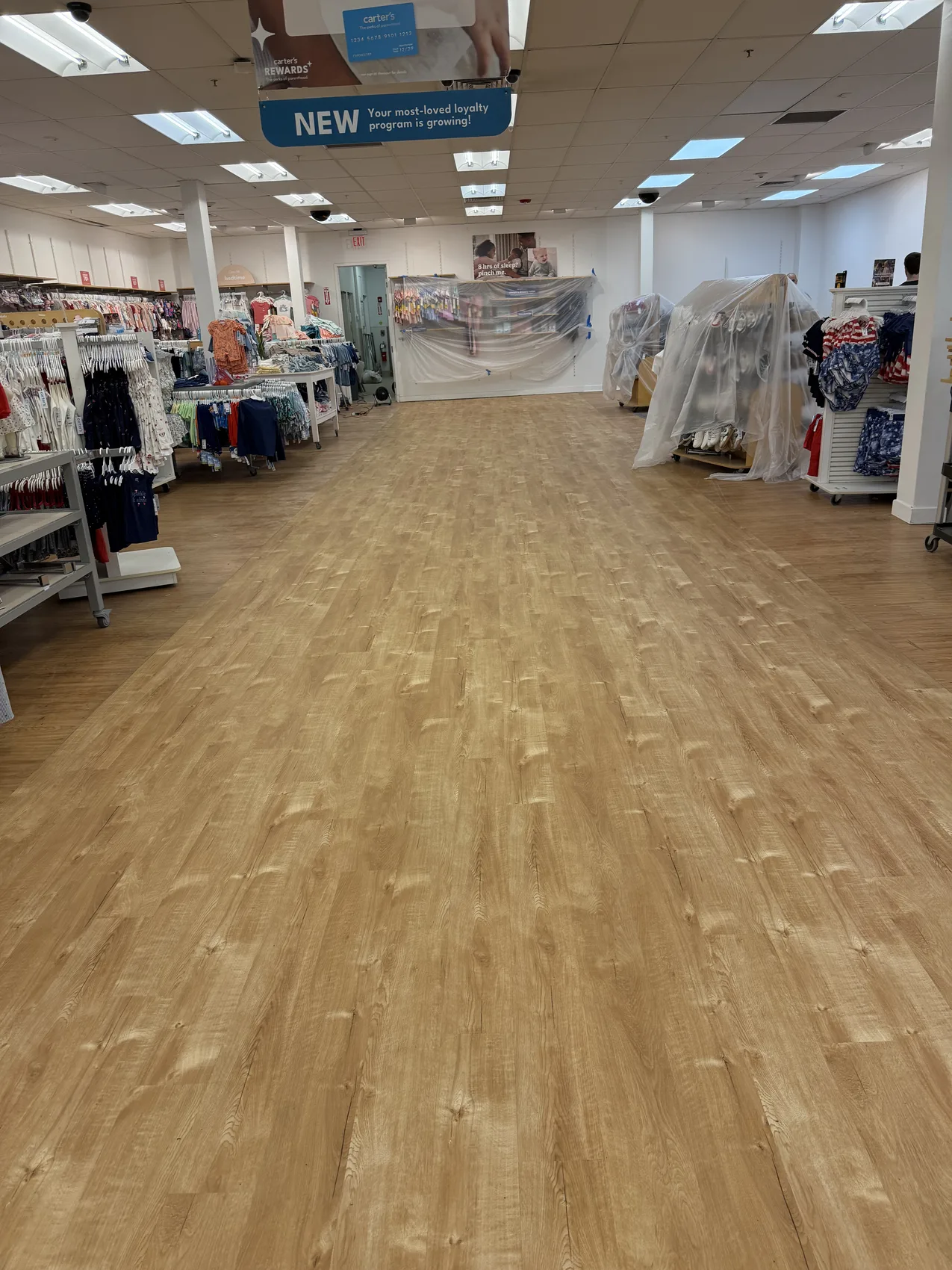
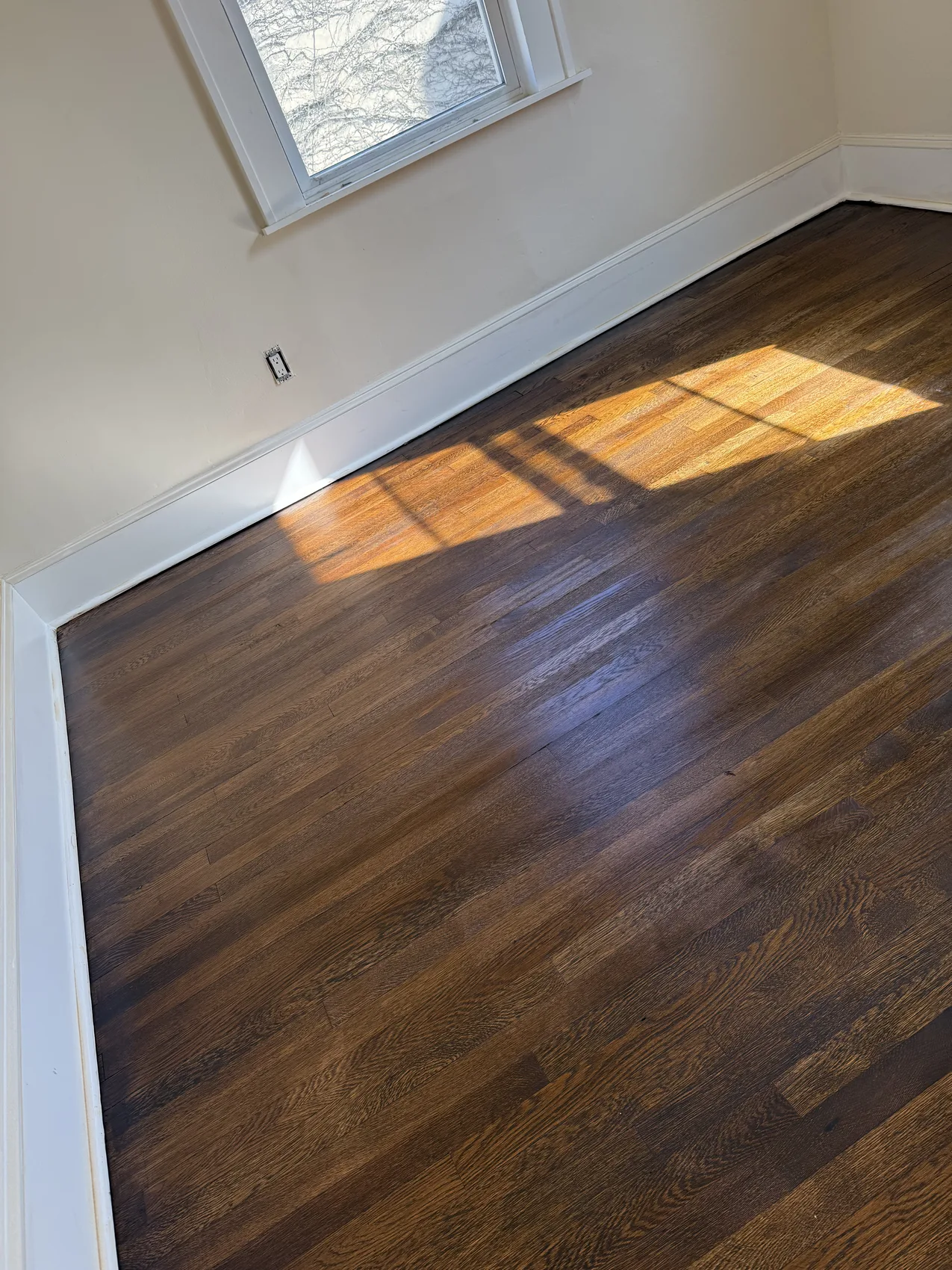
If you own a home in Suffolk or Nassau, you already know that a beautiful hardwood floor is one of the smartest upgrades you can make, both for daily life and for resale. But the price you get quoted can swing a lot from house to house, and most homeowners are surprised by why. This guide walks you through the real cost ranges, what drives them, and how our older, coastal Long Island housing stock changes the math.
The typical price ranges you should expect
Across the industry, installed hardwood flooring on Long Island generally falls into typical ranges that vary by project. Solid or engineered hardwood installations commonly run somewhere in the area of 8 to 15 dollars per square foot when you combine materials and labor, and premium species, wide planks, or custom patterns can push that higher. A prefinished engineered floor tends to sit toward the lower end, while site-finished solid oak with multiple coats lands toward the top.
To put that in real terms, a 300 square foot living room might land in the low-to-mid thousands, while doing a whole main floor of 800 to 1,000 square feet can reach the range where careful planning really pays off. These are general figures meant to set expectations, not a quote for your home.
The only way to know your actual number is to have someone measure the space, look at the subfloor, and understand what you want the finished floor to be. That is exactly what a free estimate is for, and you can request one from us at (631) 875-9031.
What actually drives the cost up or down
The biggest single factor is the wood itself. Red and white oak are the workhorses of Long Island homes because they are durable and affordable, while species like maple, hickory, walnut, or exotic hardwoods cost more per square foot. Plank width matters too: wide planks look stunning but use more material and demand more careful installation.
The second factor is the finish. A prefinished floor arrives with its coating already cured, which is faster and cleaner, but site-finished floors let you match a custom color and get a seamless look with no micro-bevels between boards. Site finishing adds labor and dry time, and it adds cost.
Finally, the condition of what is under and around the floor drives a lot. Removing old flooring, leveling a wavy subfloor, adding transitions, and handling stairs or closets all add up. A clean, empty room with a flat subfloor is the cheapest scenario; a lived-in home with surprises underneath is where budgets grow.
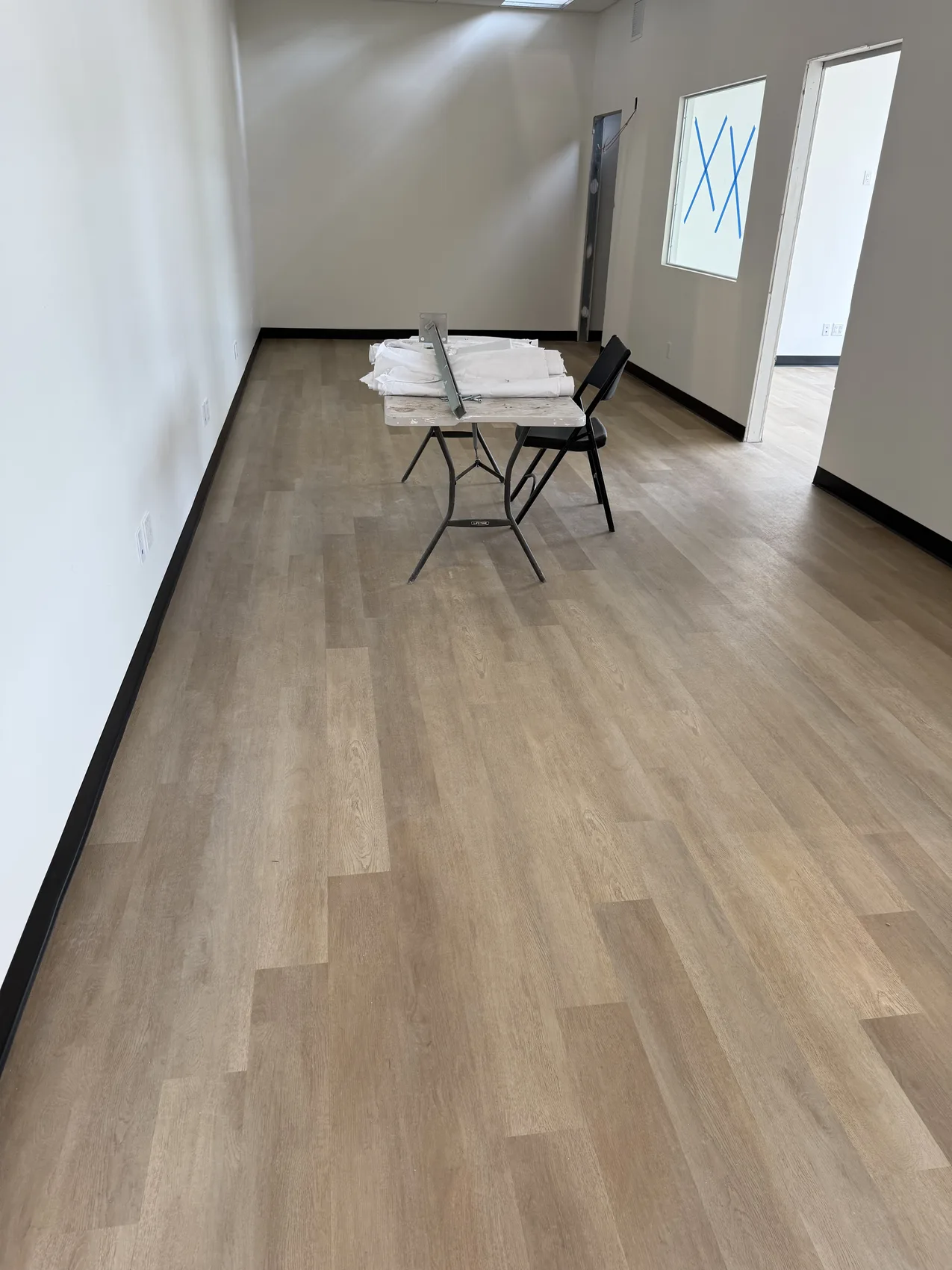
Why Long Island homes change the equation
A lot of Long Island housing stock is older, from postwar Levittown-era capes and ranches to century-old homes in the villages. Older houses often have subfloors that have settled unevenly over decades, plank flooring or multiple layers already down, and framing that is not perfectly square. All of that is normal, but it means good prep work is not optional, and prep is part of the price.
Coastal moisture is the other Long Island reality, especially on the South Shore and near the bays. Wood expands and contracts with humidity, so a floor that was not acclimated or installed with proper gaps can cup or gap through the seasons. In moisture-prone spots, basements, and slabs, engineered hardwood is often the smarter and more stable choice than solid.
None of this should scare you off hardwood. It just means the right installer will plan for our climate and our houses instead of treating your project like it is in a brand-new build in a dry state.
Solid, engineered, or refinishing what you have
Solid hardwood is a single piece of wood, can be sanded and refinished many times, and lasts for generations, which makes it a favorite for main living areas on the ground and upper floors. Engineered hardwood is real wood over a stable plywood core, handles humidity and slabs better, and is often the right pick for basements, kitchens, and rooms over concrete.
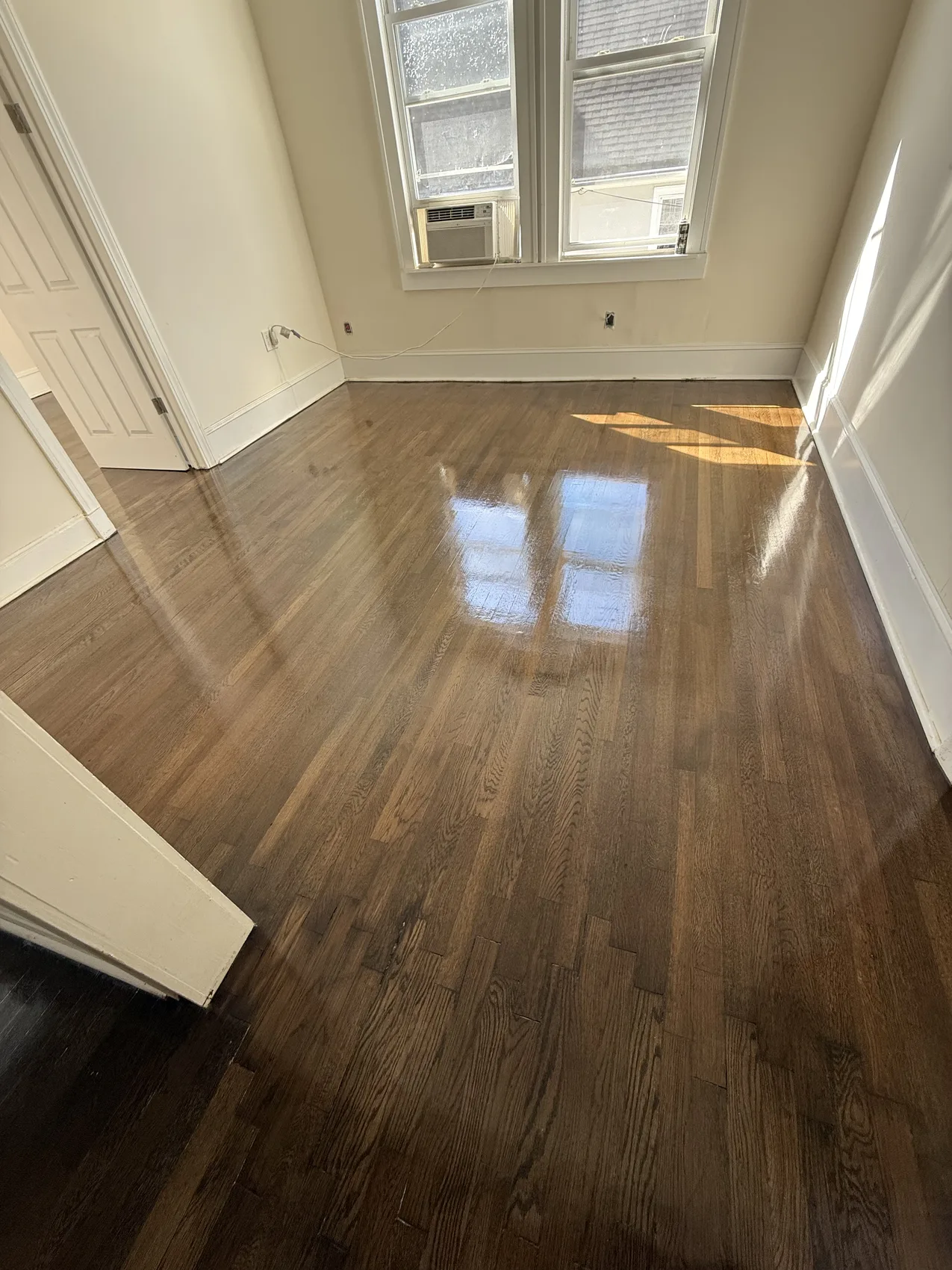
There is also a third option many Long Island homeowners overlook: if you already have old hardwood hiding under carpet or a tired finish, refinishing can bring it back for a fraction of the cost of new flooring. Sanding and recoating existing oak is one of the best-value projects in an older home when the boards are sound.
The best choice depends on your rooms, your subfloor, your budget, and how long you plan to stay. A quick walkthrough usually makes the answer obvious, and it can save you real money by matching the product to the space instead of overbuilding.
How to read a quote and avoid surprises
A trustworthy hardwood quote should be itemized so you can see it clearly: material and species, square footage, removal and disposal of old flooring, subfloor prep, installation, finishing, and any stairs or transitions. When a price looks unusually low, the difference is almost always in the parts that got left out, like prep or haul-away, which then show up as change orders later.
Ask how the wood will be acclimated to your home before installation, and how the crew handles dust and cleanup, because those details separate a floor that lasts from one that gives you trouble in a year. It is also fair to ask who is actually doing the work, since one steady crew doing your whole job tends to give a more consistent result than a rotating cast of subcontractors.
With 20 years of experience installing and finishing floors across Suffolk and Nassau, we give honest, itemized estimates for free and keep the same crew on your project from start to finish. Call (631) 875-9031 to set up a walkthrough and get a real number for your home.
Frequently asked questions
Yes, as long as it is chosen and installed for our climate. In humid or below-grade spots like basements and rooms over concrete slabs, engineered hardwood stays more stable than solid. On upper floors with a sound subfloor, solid oak performs beautifully when it is properly acclimated first.
Usually, yes, and by a wide margin, as long as the existing boards are solid and thick enough to sand. Many older Long Island homes have oak floors hiding under carpet that only need sanding and a fresh finish. A quick look tells us whether refinishing or replacing is the smarter spend.
A single room can often be installed in a couple of days, while a full floor takes longer, especially with site finishing that needs dry time between coats. Prefinished floors are faster because there is no on-site curing. We give you a realistic timeline for your specific rooms during the estimate.
Yes. We are a local Long Island contractor serving homeowners across both Suffolk and Nassau. Estimates are free, and one crew handles your project from start to finish so you get consistent, clean work. Call (631) 875-9031 to schedule a walkthrough.