Your floors take a beating from kids, pets, sand tracked in from Jones Beach, and decades of Long Island winters. When the shine is gone and the scratches are showing, the big question is whether a refinish will bring them back or whether it is time to replace them entirely. This guide walks you through the signs so you can make a smart, budget-friendly decision.
First, know what kind of floor you have
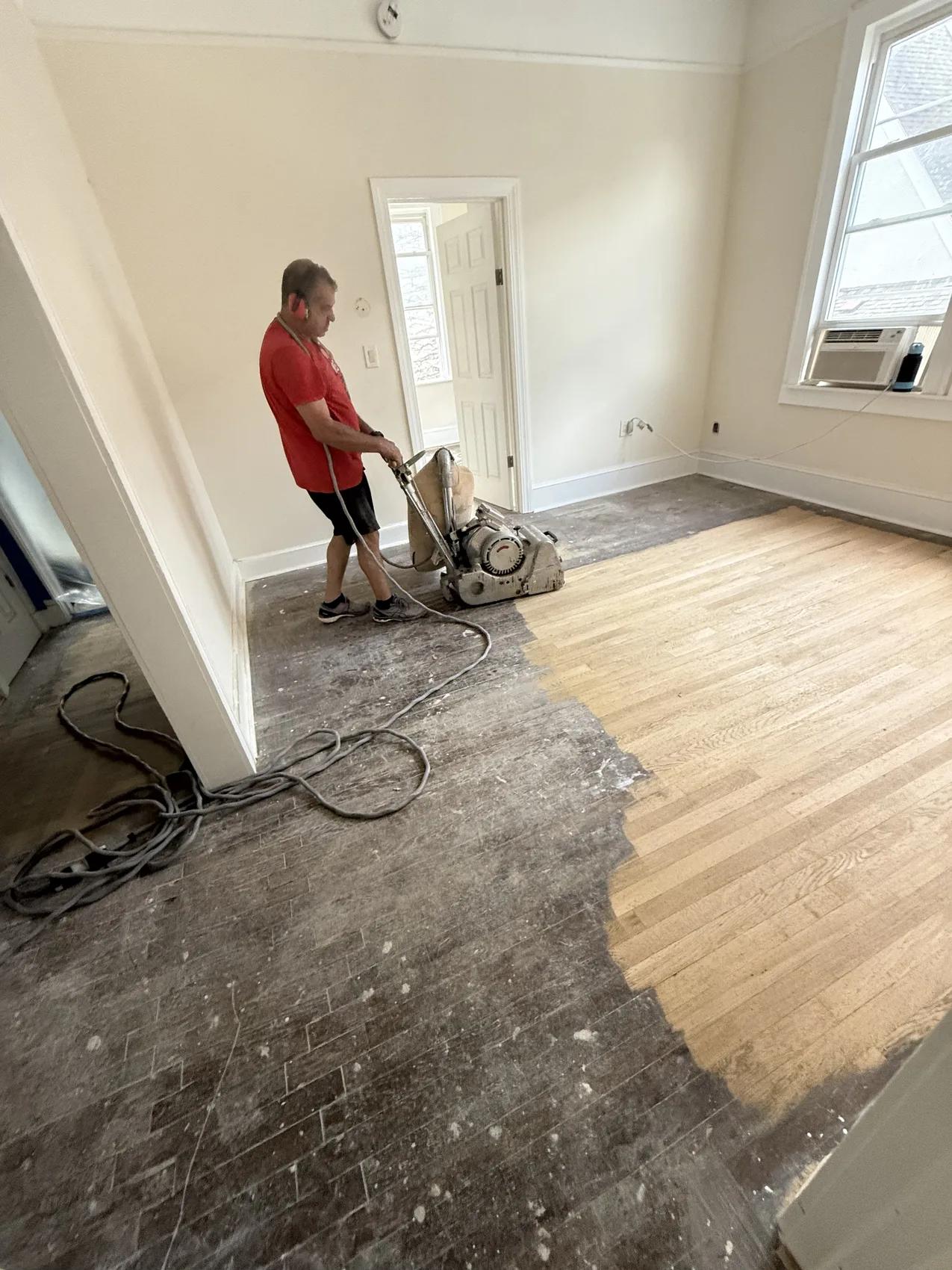
Before you decide anything, you need to know whether your floor can even be refinished. Solid hardwood, common in many older Nassau and Suffolk homes built before the 1970s, can usually be sanded and refinished several times over its life. That thick wear layer is exactly why these floors last for generations.
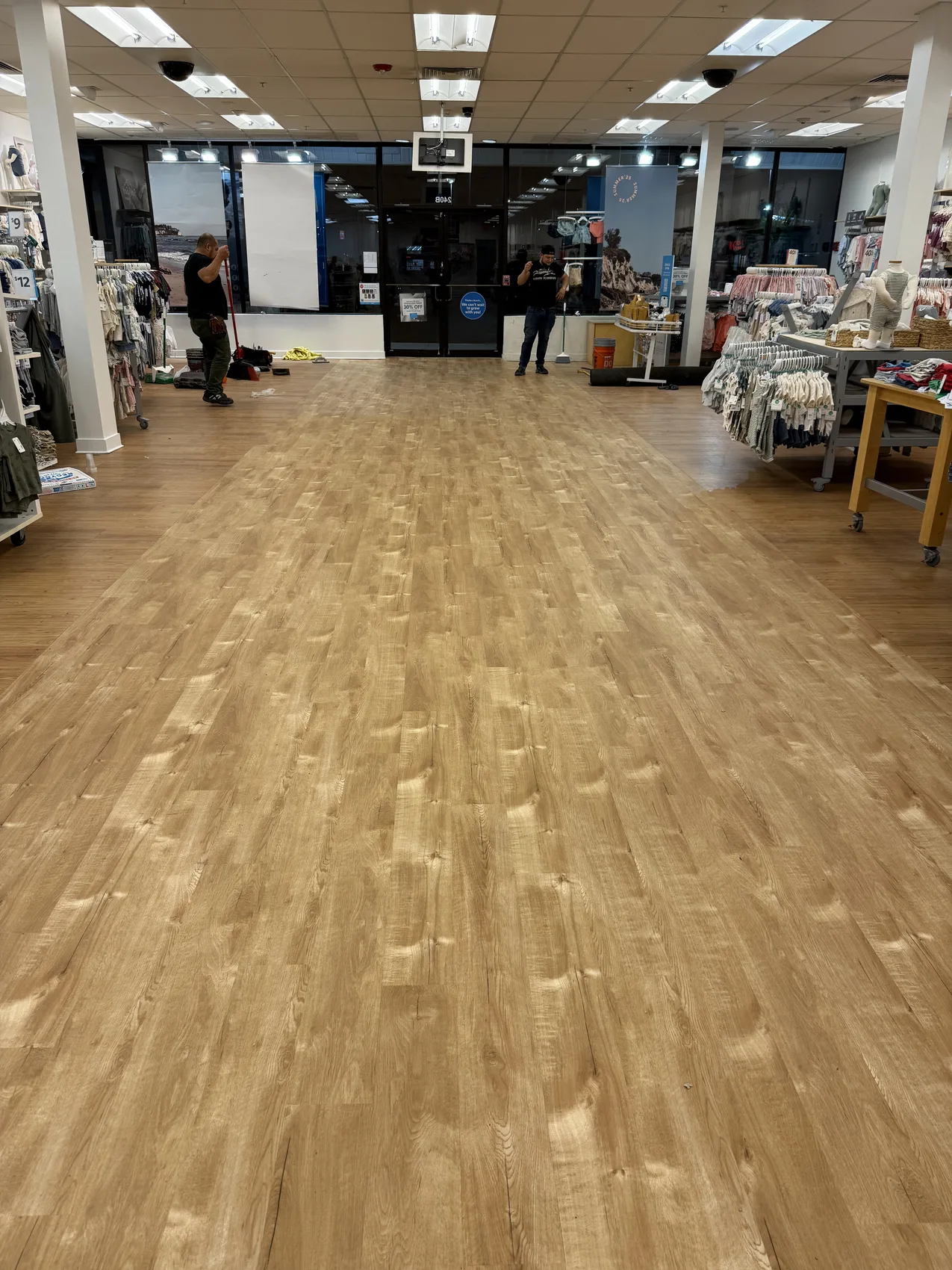
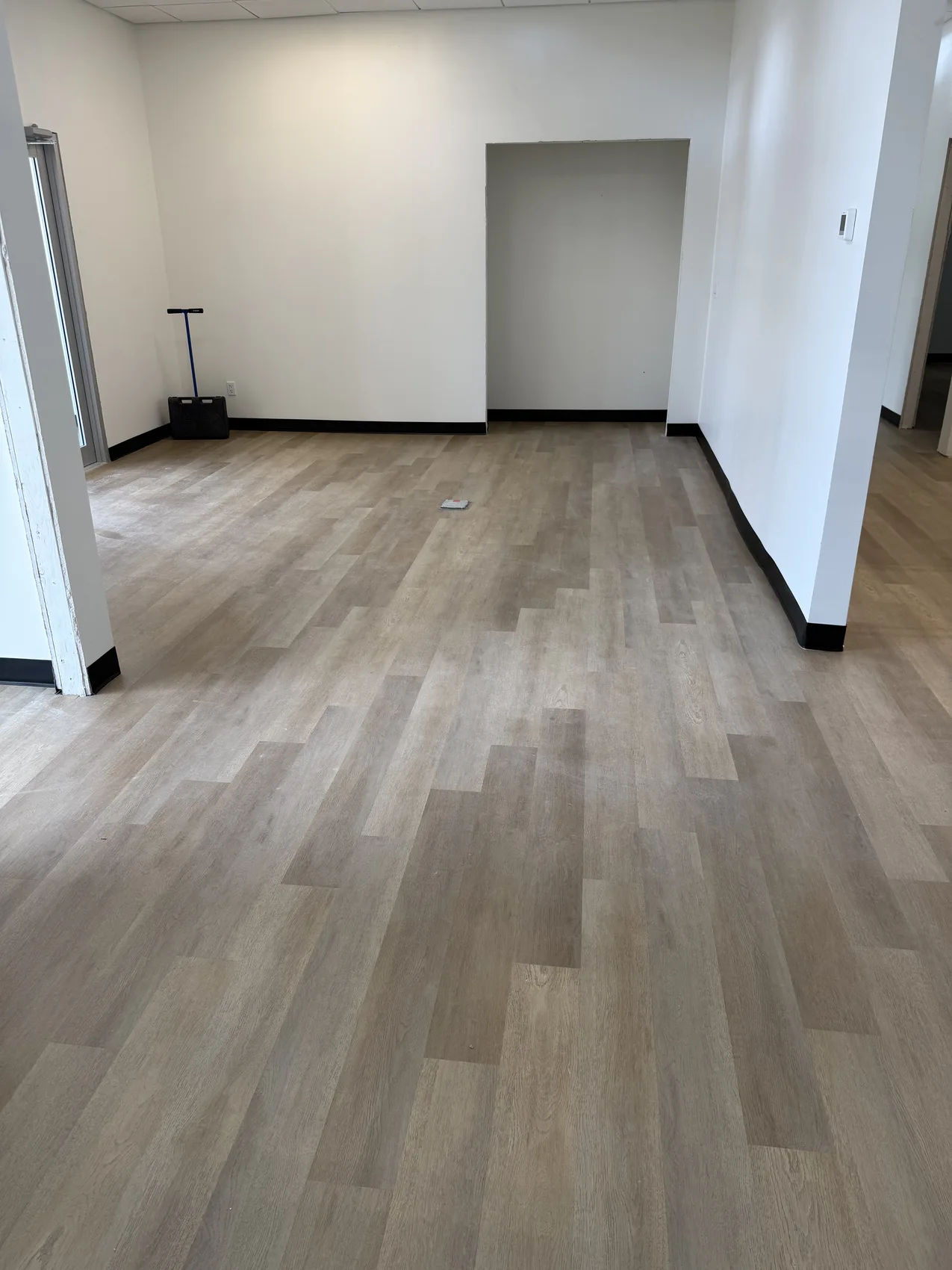
Engineered wood is a different story. It has a real wood veneer over plywood, and that top layer may be thin. Some engineered floors handle one light refinish, others cannot be sanded at all without exposing the core. Laminate and luxury vinyl plank only look like wood and cannot be refinished at all. If you are not sure what you have, a quick look at a floor vent cutout or a threshold usually reveals the layers, and we can confirm it during a free in-home estimate.
Signs a refinish is all you need
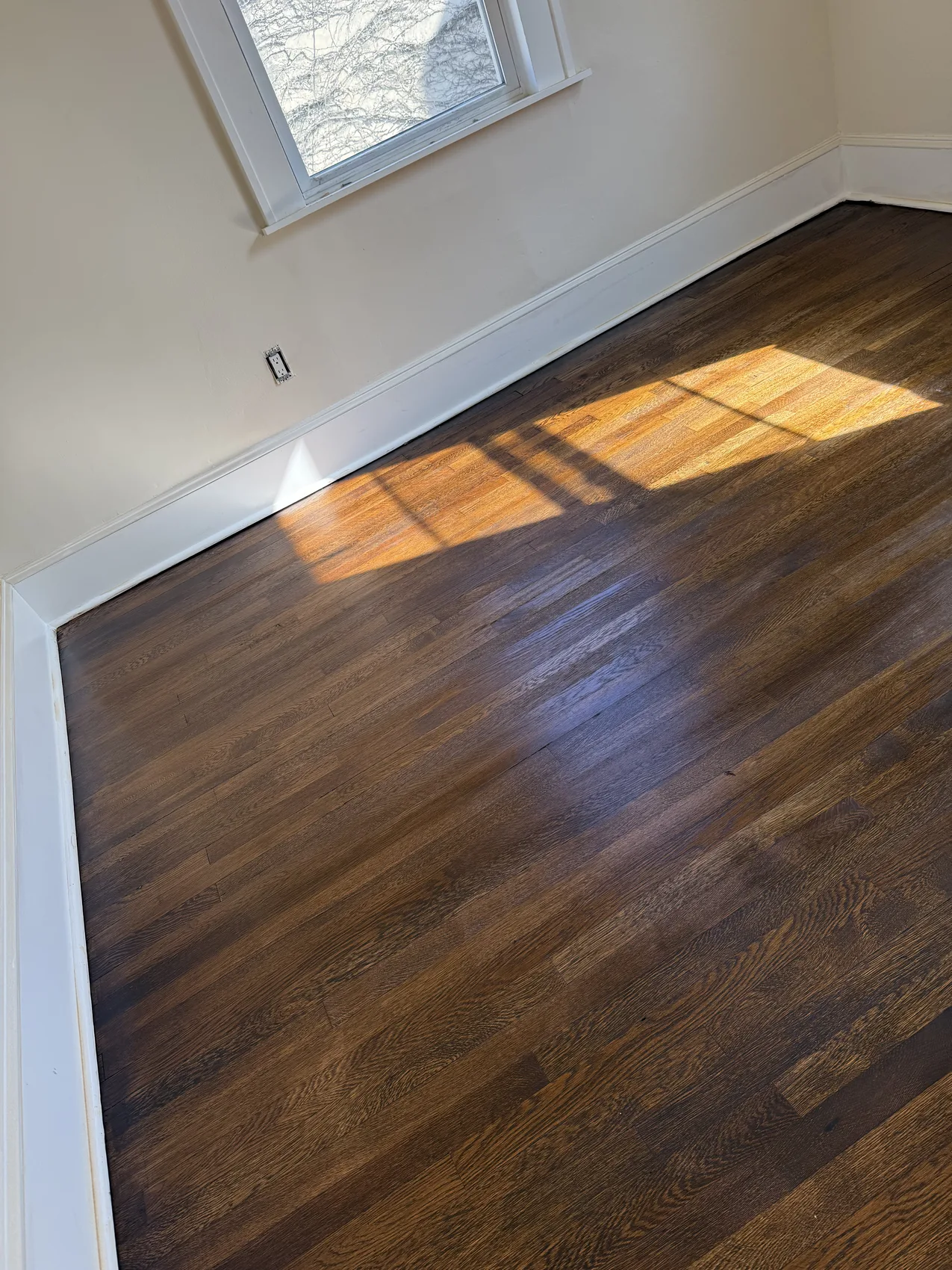
The good news is that most tired hardwood floors just need a refinish, not a replacement. If the damage is on the surface, you are usually a sanding and a few coats of finish away from floors that look brand new. Look for a dull, cloudy finish that no longer reflects light, light surface scratches you can feel with a fingernail but that do not reach bare wood, and gray or darkened traffic paths where the protective coat has simply worn through.
Minor water spotting, faded areas near south-facing windows, and a general lack of shine are all cosmetic. So are small dents and the odd pet scratch. As long as the boards themselves are solid and sitting flat, a refinish is the far more economical choice. Refinishing typically runs a fraction of the cost of new flooring, though ranges vary widely by square footage, wood species, and how much prep the job needs.
There is also a lighter option called a screen and recoat, sometimes called a buff and coat. If your finish is worn but the wood underneath is untouched, we can abrade the top layer and add a fresh coat without a full sanding. It is faster, less dusty, and easier on the wallet, and it buys many more years before a full refinish is due.
Signs it is time to replace
Some problems go deeper than any finish can fix. If you see boards that flex or bounce when you step on them, wide gaps that stay open year round, cupping or crowning where planks curl at the edges or bow in the middle, or soft spongy areas underfoot, the issue is likely structural or moisture related. Sanding a damaged board only removes more of the wood you have left.
Watch for deep gouges that reach well below the surface, black staining that has soaked into the grain, and any sign of rot or a musty smell, which on the South Shore often points to moisture from flooding, high water tables, or a damp crawl space. Termite or insect damage is another clear replacement signal here on Long Island. And there is a simple math limit: solid hardwood can only be sanded so many times. If your floors have already been refinished several times over the decades, the wear layer above the tongue and groove may be too thin to sand again safely.
Replacement is also the honest answer when boards are missing, when a bad past repair left mismatched patches, or when moisture has warped a whole room. In those cases new flooring is not just about looks, it protects the subfloor and the value of your home.
The Long Island moisture factor
Our island climate is hard on wood floors in ways inland homes never deal with. Humid, salty summers and cold, dry winters make boards expand and contract with the seasons, which is why you might see gaps open in January and close by July. That seasonal movement is normal, but on the South Shore in towns like Massapequa, Freeport, Long Beach, and the Bays, coastal moisture and a high water table add real stress, especially in homes that took on water during past storms.
This is why we always check for moisture before recommending anything. A floor that looks like a simple refinish can hide a wet subfloor, and putting a fresh finish over trapped moisture just traps the problem. If your home has a basement or crawl space that runs damp, or you have had flooding, addressing the moisture source first protects whatever floor goes on top. A good crew tests, they do not guess.
Weighing cost, disruption, and payoff
When both options are on the table, the decision usually comes down to three things: how much you will spend, how long your home is disrupted, and how long the result will last. Refinishing is almost always cheaper and faster than replacing, and it keeps the original character of older Long Island wood, which is often a species and grade you simply cannot buy today. Typical ranges for either service vary by project, so the smartest move is to get real numbers for your specific floors rather than guessing from an online estimate.
Replacement costs more up front but resets the clock. If your floors are near the end of their sandable life, or if you are changing the layout, going from carpet to wood, or fixing water damage anyway, new flooring can be the better long-term value. It is also the moment to upgrade to a harder wood or a more moisture-tolerant product if your home demands it.
There is no single right answer, only the right answer for your floors, your timeline, and your budget. The most reliable way to know is to have someone who has done this for twenty years put eyes and a moisture meter on the actual boards. Jireh Solutions offers free, no-pressure estimates across Suffolk and Nassau, and we will tell you honestly when a refinish is the smart call and when it is not. Call (631) 875-9031 to set one up.
Frequently asked questions
Solid hardwood can typically be sanded and refinished four to seven times over its lifetime, depending on the thickness of the wear layer above the tongue and groove. Many older Long Island homes still have plenty of life left in their original floors. If yours have been refinished several times already, we can measure the remaining thickness during an estimate.
A typical refinish takes two to four days depending on room size and the number of finish coats, plus curing time before you move furniture back. You can usually stay in the home, though we ask that the work area stay clear and foot traffic stay off fresh finish. We keep the job clean and contained so the rest of your house stays livable.
Sanding does create dust, but modern equipment and dust-containment methods keep it far lower than the old days. Our crew seals off work areas and cleans thoroughly as we go, so you are not left with a film of dust on every surface. Clean, respectful work in your home is something we take seriously.
As a general rule, refinishing costs a fraction of what new flooring costs, but real numbers depend on your square footage, wood species, floor condition, and how much prep and repair the job needs. Rather than quote a figure that may not fit your home, we prefer to see the floors in person. Call (631) 875-9031 for a free estimate with honest pricing for your specific project.