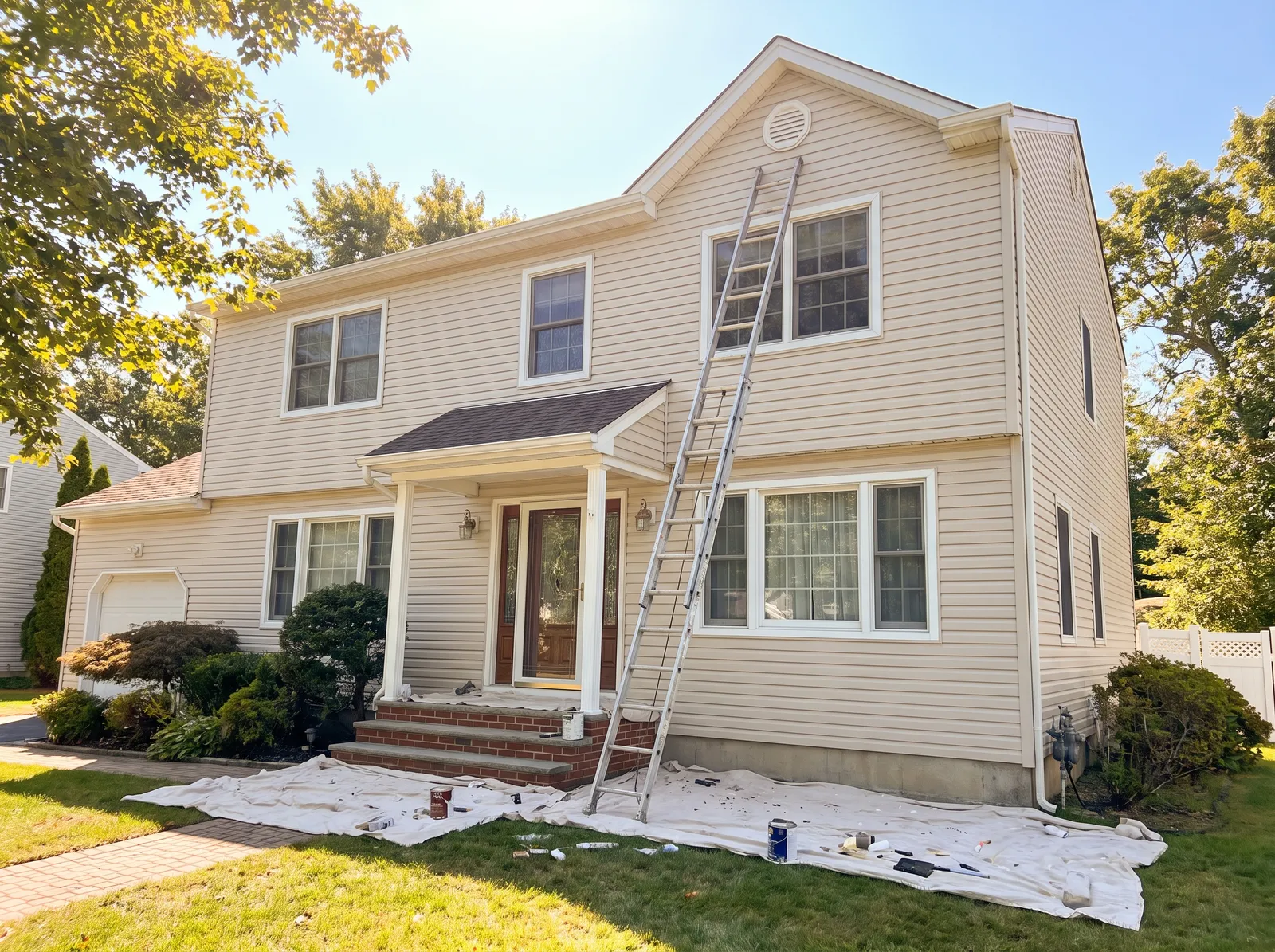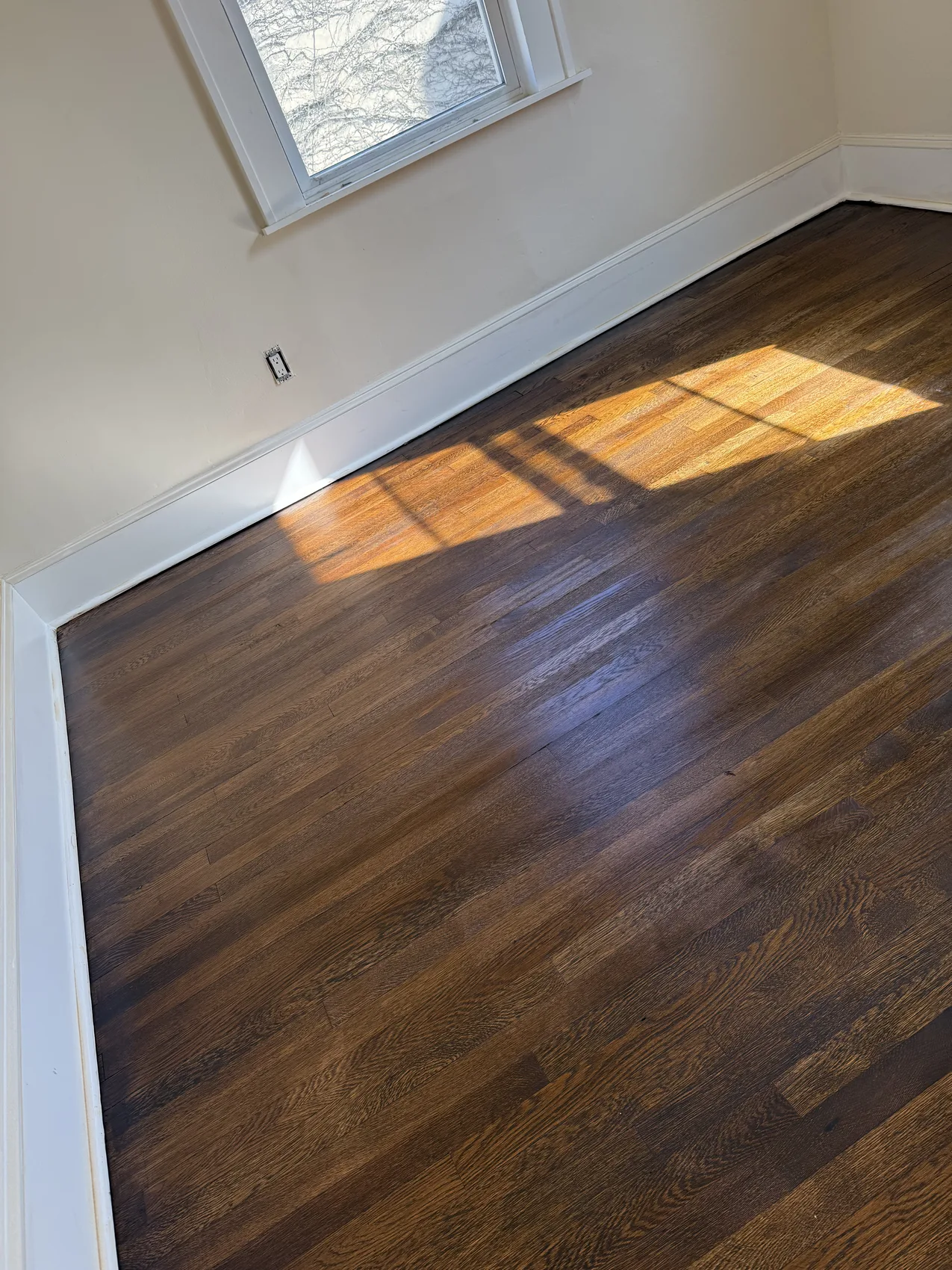
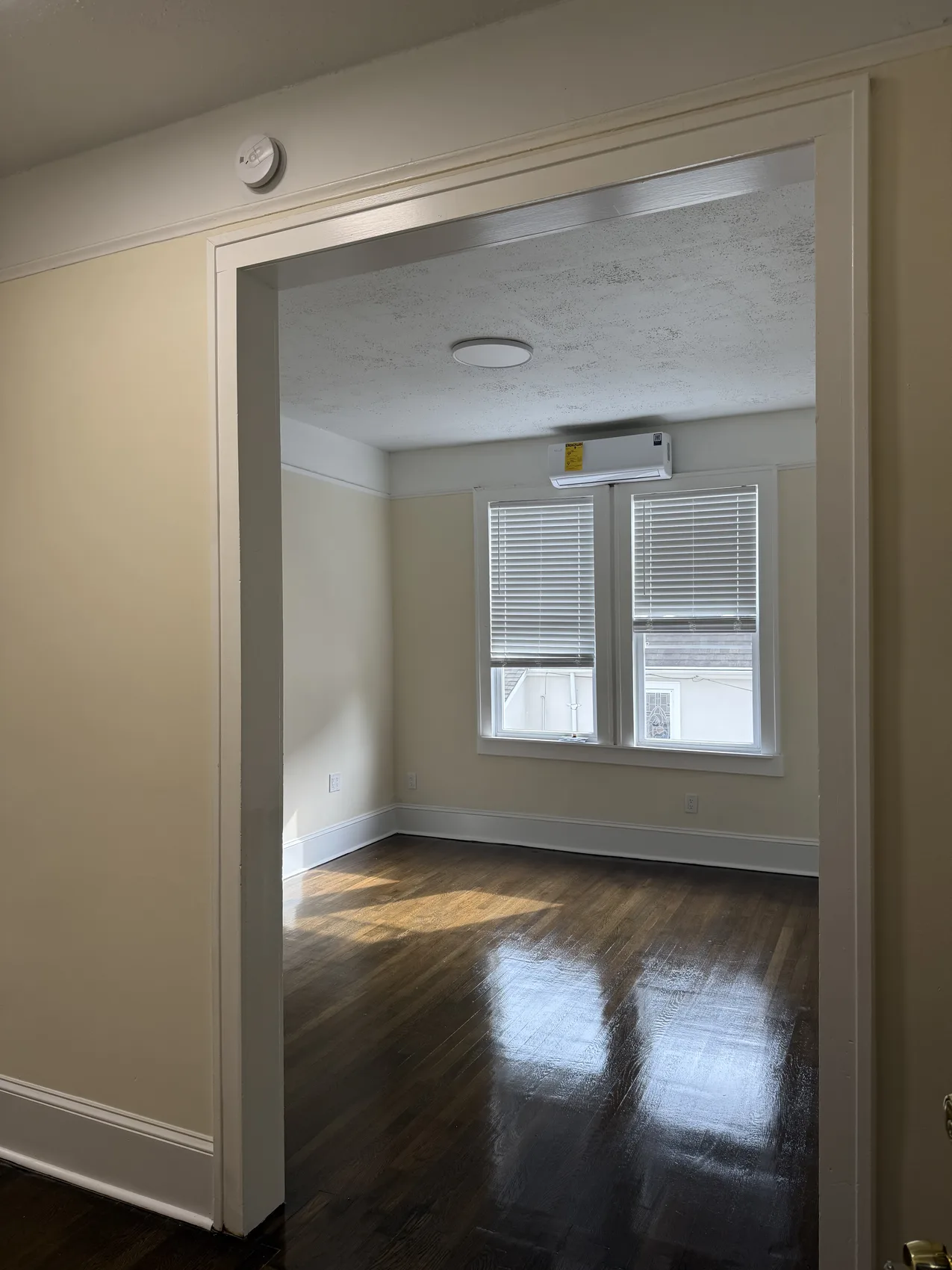
Before a buyer reads the listing sheet or checks the tax bill, they have already reacted to your walls. Color is the first thing the eye registers, and on Long Island, where buyers tour five or six homes in a single Saturday, a fresh, neutral palette can be the difference between a house that feels move-in ready and one that feels like a project. This guide covers the colors that help a home sell, the ones that quietly cost you offers, and how to paint smart without repainting the whole place.
Why neutral wins with buyers
When you paint to sell, you are not decorating for yourself. You are creating a blank, flattering backdrop that lets a stranger picture their own furniture, their own life, in the space. Bold personal colors do the opposite. They make a buyer study your taste instead of imagining their own, and every wall they mentally plan to repaint becomes a reason to offer less.
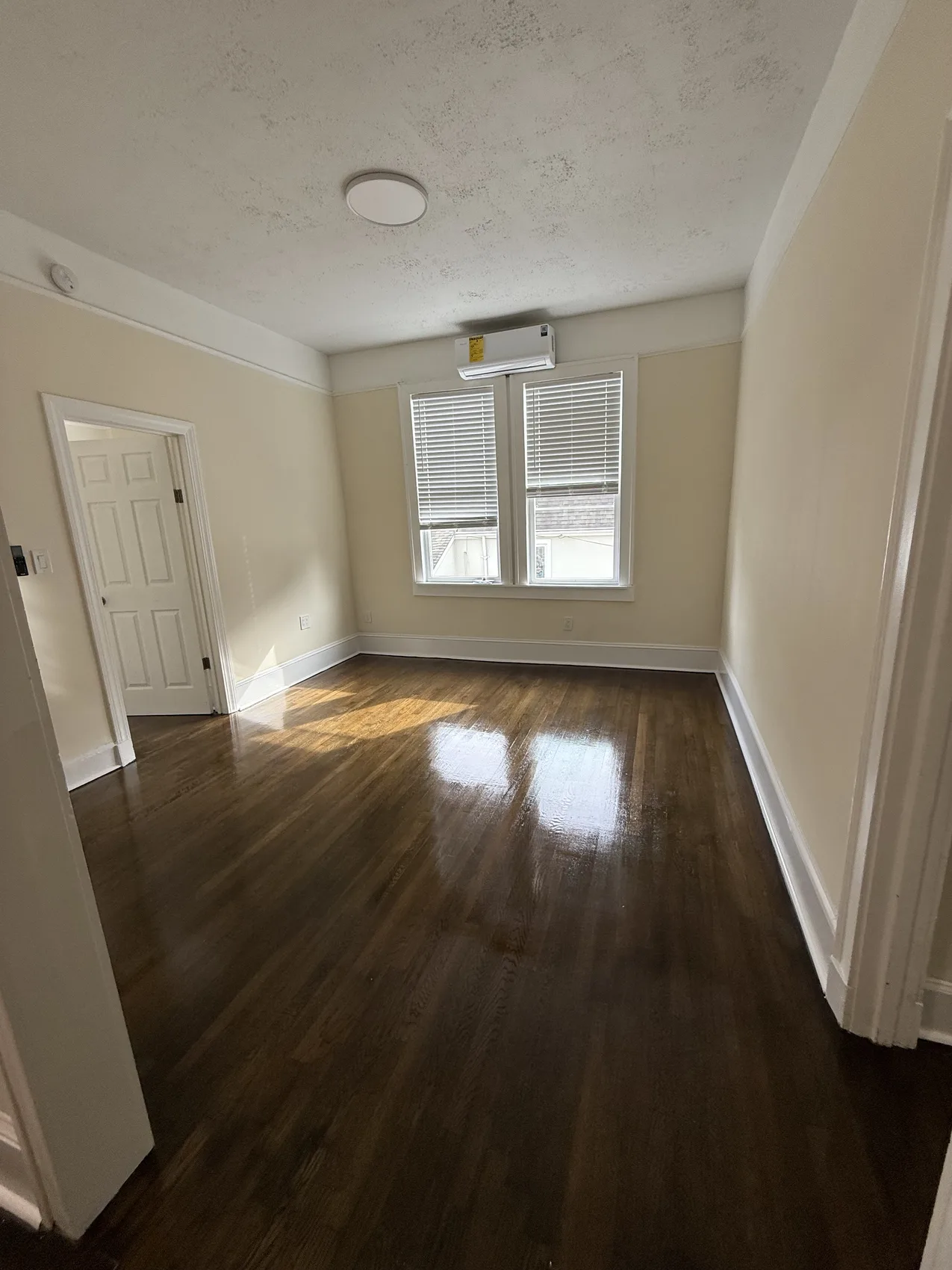
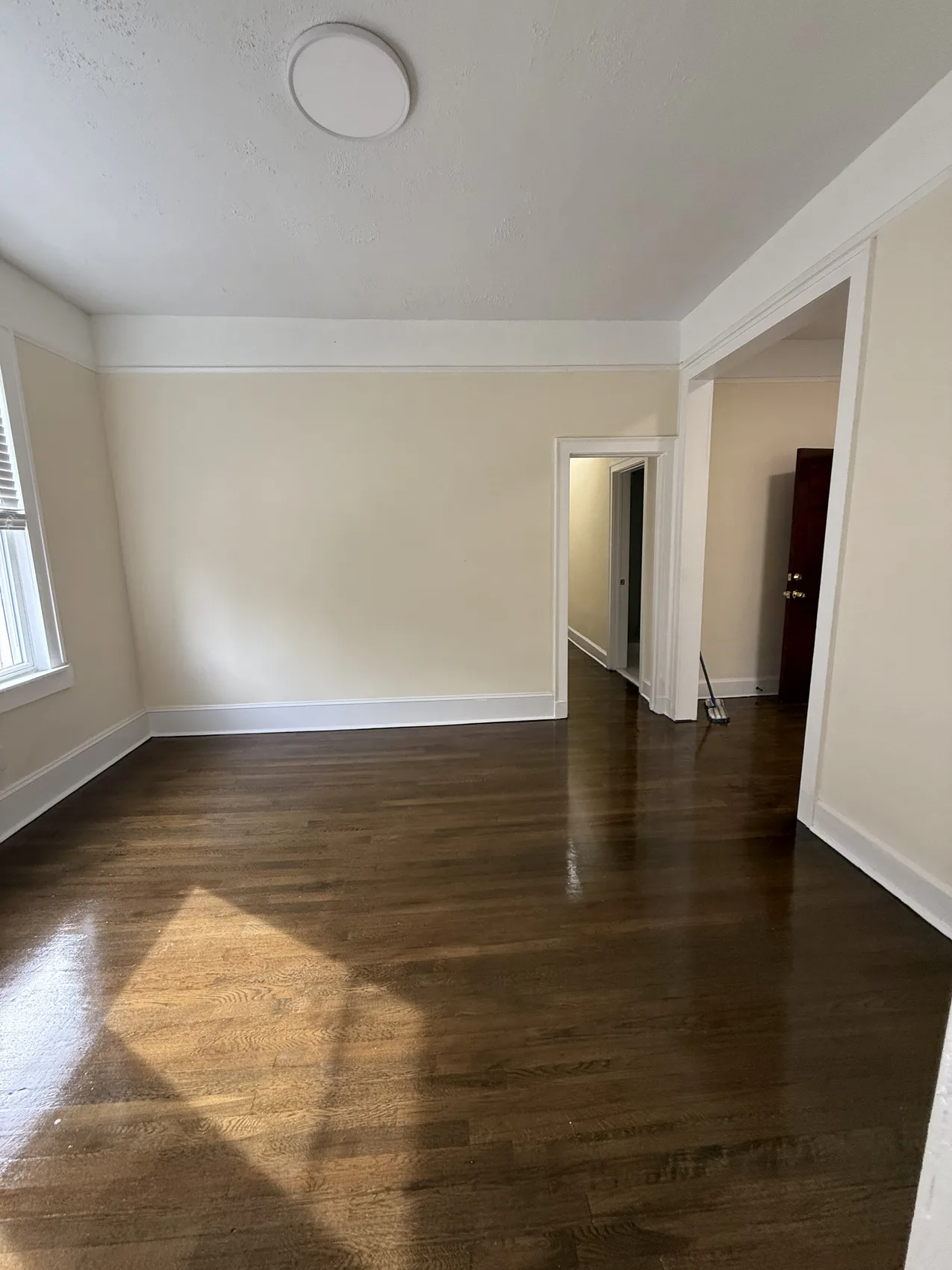
Warm neutrals are the safest, most reliable sellers: soft whites, greiges (a gray and beige blend), light warm grays, and gentle off-whites. These tones read as clean and current on camera and in person, and they bounce natural light around a room. That matters on Long Island, where many homes are older colonials, capes, and ranches with smaller windows and rooms that can feel dim without help from the walls. The goal is not a sterile box, but a space that feels calm, bright, and easy for anyone to walk into.
The rooms that move the needle
You do not always need to paint every wall. Spend your budget where buyers form their strongest impressions. The front door and entry set the tone in the first ten seconds, so a clean, freshly painted door and a bright, welcoming foyer pay off far beyond their small square footage.
Kitchens and bathrooms are where buyers decide how well a home has been kept. Fresh, light neutrals on the walls make counters look cleaner, cabinets look newer, and the whole room feel updated even when the fixtures are not brand new. If your kitchen cabinets are dated oak or a heavy color, painting them a soft white or warm gray is one of the highest-return moves you can make before listing, and it is a job worth doing with proper prep so the finish lasts through showings.
The primary bedroom and main living room round out the priority list. Buyers want these to feel restful and spacious, so calm neutrals beat anything dramatic. If you have one loud accent wall, a deep navy, a bright red, a dark purple, that is usually the first wall to neutralize before the photos are taken, since it will dominate every listing image.
Colors and finishes to avoid before listing
Some choices consistently work against a sale. Very dark walls make rooms read smaller and darker in photos, which is where most Long Island buyers first meet your home online. Bold or trendy colors, deep teal, mustard, terracotta, tie the house to a specific taste and date it fast. And highly personalized kids' rooms in bright pinks or blues force buyers to see your family instead of theirs.
Finish matters as much as color. Flat paint hides wall flaws but scuffs easily and can look tired in high-traffic areas, while very high-gloss walls show every bump and roller mark. For most rooms, a matte or eggshell on walls and a satin or semi-gloss on trim, doors, and bathrooms photographs well and cleans up easily during a busy showing season.
Long Island light, weather, and older walls
The same color looks different in a South Shore home near the water than it does in a shaded Nassau colonial, so test before you commit. Long Island light shifts hard between seasons, cool and gray in winter, bright and warm in summer, and a gray that looked elegant in a store can turn cold and blue on a north-facing wall. Buy sample pots, paint large swatches on two or three walls, and look at them in morning and evening light before choosing.
Coastal moisture on the South Shore is a real factor. Homes near the bay and ocean fight humidity, and bathrooms, basements, and north walls can develop mildew spots or staining. Painting over those without addressing them leaves shadows that a sharp buyer, or an inspector, will flag. The right move is cleaning, priming with a stain-blocker or mildew-resistant primer, and then applying finish paint so the surface stays clean through the sale.
Painting smart on a seller's budget
You do not have to repaint everything to get the selling boost. Start with the highest-impact, most-seen surfaces: the entry, the main living areas, the kitchen, and any room with a loud color or visible wear. A whole-house repaint gives the most uniform result, but a focused refresh of the rooms buyers weigh most can deliver much of the effect for less.
Keep the palette consistent from room to room so the home flows as buyers walk through. Jumping between very different colors makes a house feel choppy and smaller; one warm neutral carried through the main spaces, with slight variation in bathrooms or bedrooms, feels intentional and larger. Match your trim and doors in a clean, slightly brighter tone to tie it all together.
Costs for a pre-sale repaint vary widely by room count, wall condition, ceiling height, and how much prep and cabinet work is involved, so treat any figure you see online as a rough range that shifts with your home. The reliable way to know what your project takes, and to get clean, even coats that photograph and show well, is a free on-site estimate. Call Jireh Solutions at (631) 875-9031 and we will walk your rooms, talk through colors that sell, and give you honest numbers before you list.
Frequently asked questions
There is no one magic color, but warm neutrals win most often: soft whites, greige, and light warm grays. They photograph clean, bounce light around, and let buyers imagine their own furniture. The safest choice is a light, warm neutral carried consistently through the main living spaces.
A full repaint gives the most uniform, move-in-ready feel, but it is not always necessary. If your budget is tight, focus on the entry, kitchen, main living room, primary bedroom, and any wall with a bold color or wear. Those rooms drive most of a buyer's impression.
Often yes. Painting dated oak or heavy-colored cabinets a soft white or warm gray is one of the highest-return updates before a sale, making the whole kitchen feel newer. It does require careful degreasing, sanding, and priming so the finish holds up, which is why it is worth doing professionally.
Yes. Near the South Shore, mildew spots and stains are common in bathrooms, basements, and north walls, and painting over them without a stain-blocking primer leaves marks that buyers and inspectors notice. Older plaster walls also need patching and sanding first so the fresh neutral looks smooth in photos.