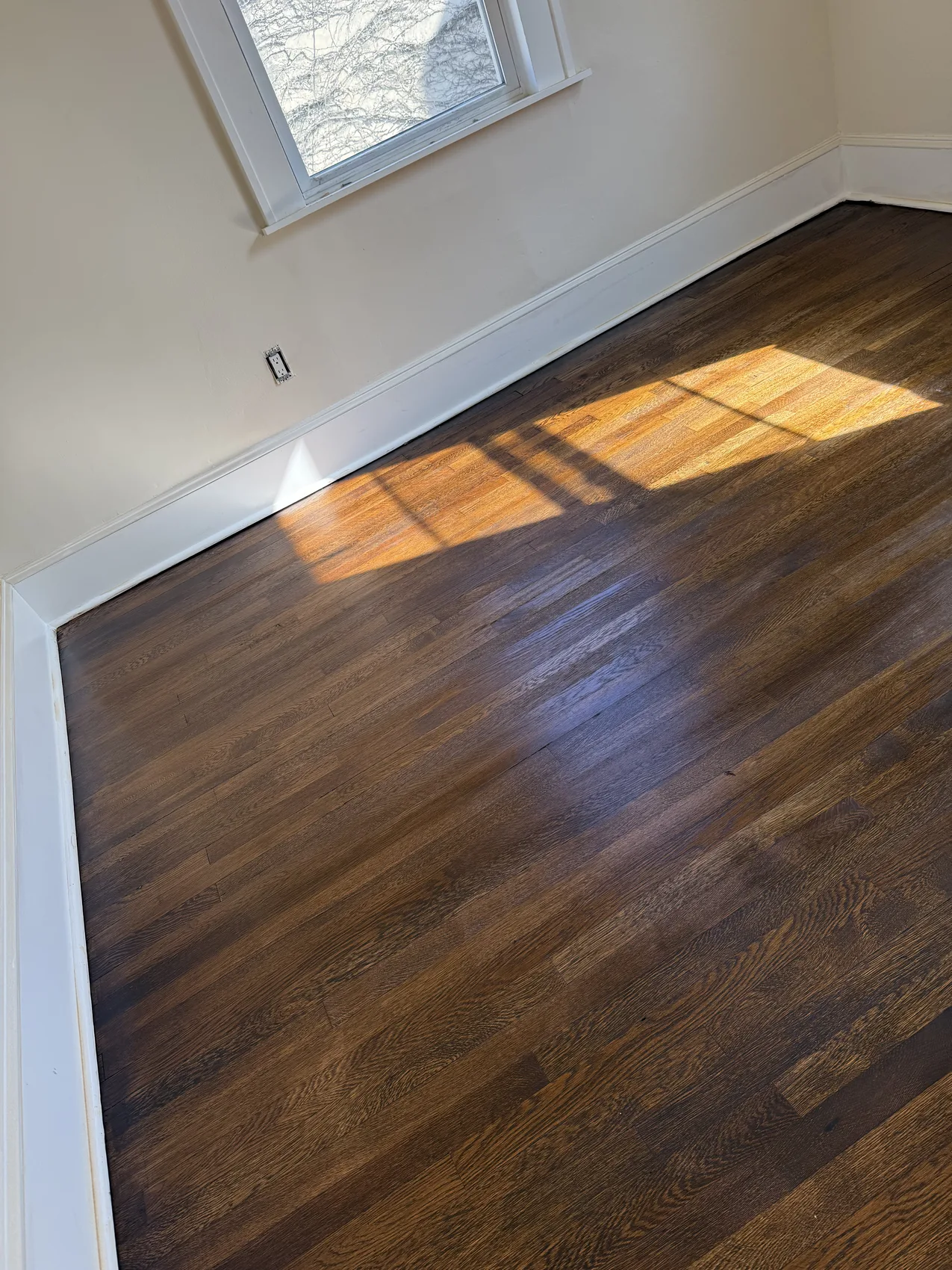
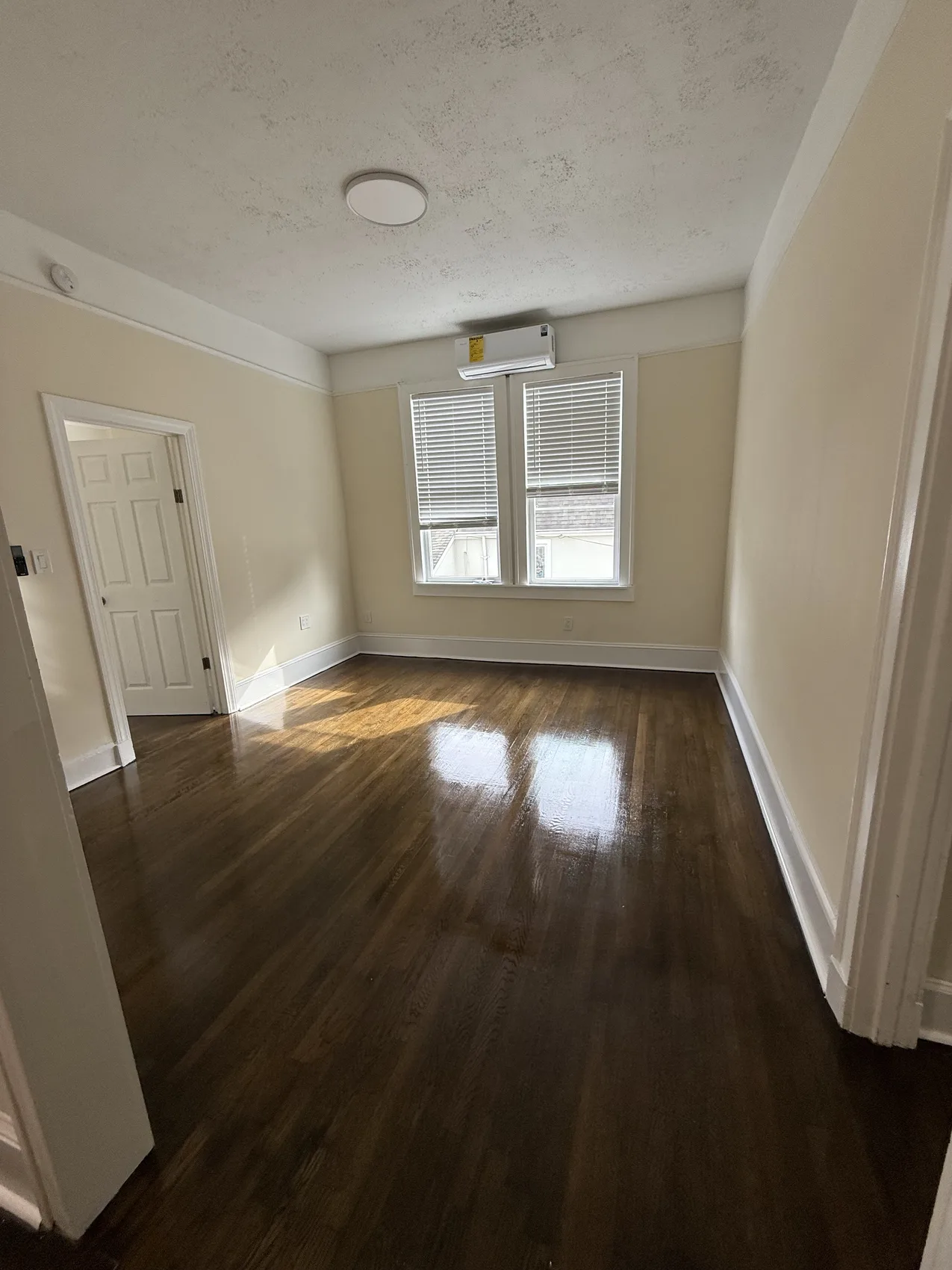
You booked a painter, cleared the calendar, and now you want a straight answer: how many days will your house be full of drop cloths and taped-off trim? The honest reply is that interior painting time depends far more on prep and room count than on the actual brushing. This guide breaks down realistic timelines room by room, and explains the Long Island factors, older plaster walls, coastal humidity, and cold winter days, that quietly stretch a schedule.
The short answer, and why prep runs the clock
A single average bedroom, walls, ceiling, and trim, is usually a one-day job for a professional crew. A whole three-bedroom Long Island home, painted top to bottom, more realistically runs four to seven working days. The wide gap between those numbers is almost never about how fast someone can roll a wall. It is about everything that happens before and between coats.
Prep is the real timeline. Moving and covering furniture, patching nail holes and cracks, sanding, caulking gaps, taping edges, and priming stains all happen before a drop of finish paint goes on. On a clean, modern room prep might be an hour. On an older Nassau or Suffolk home with settling cracks and layers of past paint, prep alone can eat half a day per room. When homeowners feel a project is dragging, it is usually careful prep they are watching, and that prep is exactly what makes the finish last.
Room-by-room timelines you can plan around
Here is a practical breakdown for a two-person professional crew, assuming walls in decent shape and two coats of paint. A standard bedroom or home office runs about one day. A living room or dining room, larger walls and often higher ceilings, takes one to one and a half days. A bathroom is small but slow, with a lot of cutting around tile, fixtures, and vanities, so plan a half to a full day.
Kitchens and hallways are the wild cards. A kitchen with just wall space is quick, but if cabinets are included, that alone can add two to four days because of degreasing, sanding, priming, and long dry times between coats. Hallways and staircases look small but involve tall walls, ladders over stairs, and endless trim, so a townhouse stairwell can quietly become a full day. Ceilings, if you want them fresh white, add roughly a half day per average room on top of the wall work.
Stack these up and the math is clear. A single accent wall is an afternoon. One full room is a day. A three-bedroom ranch or colonial, common across Levittown, Massapequa, and the rest of the Island, is a week when you count kitchens, baths, halls, and closets honestly.
Drying and recoat time you cannot rush
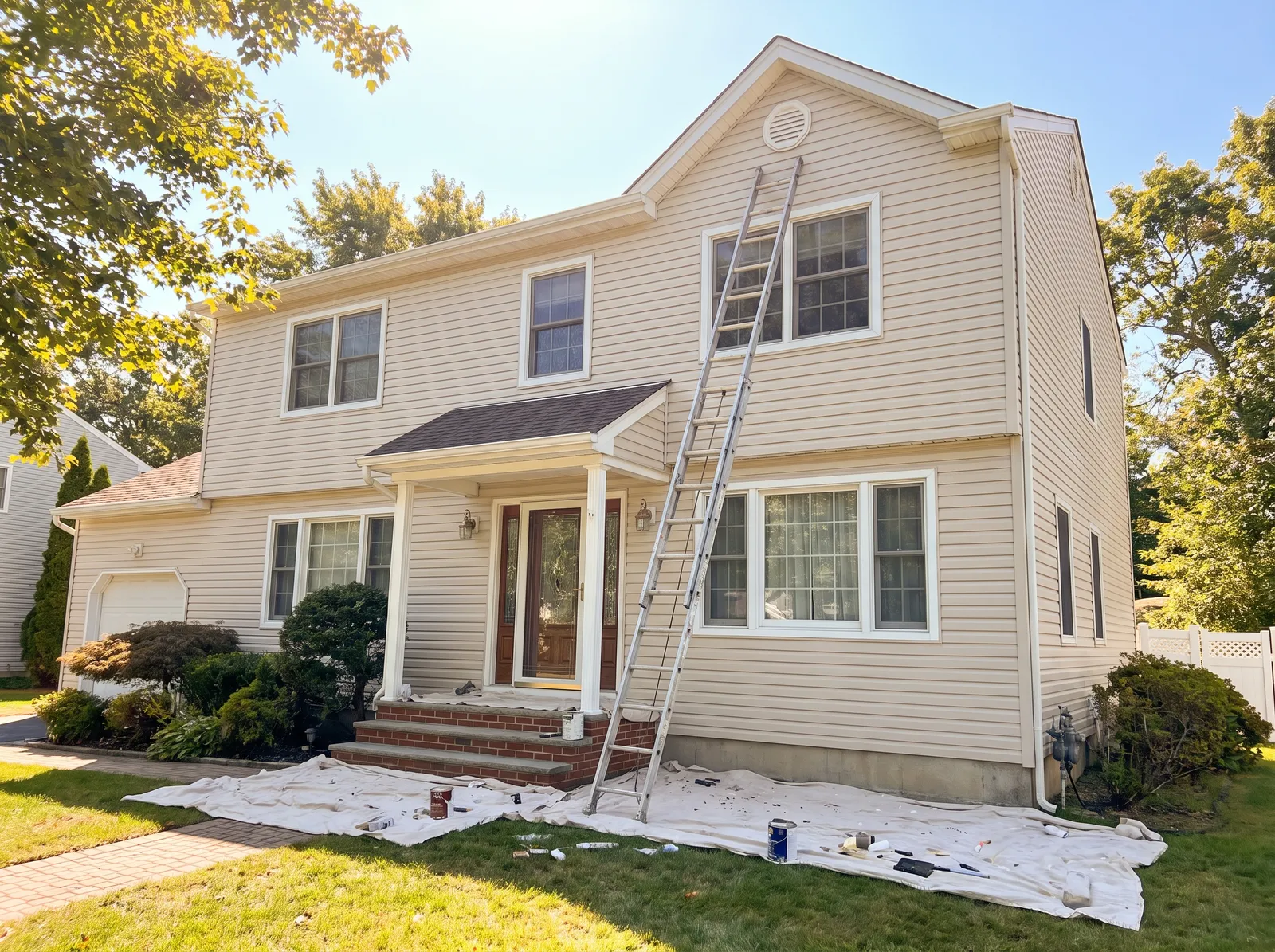
Paint has its own schedule, and no crew can beat it. Most modern latex wall paints are dry to the touch in about an hour, but they need roughly two to four hours before a second coat, and a full day or more to truly cure. Trim and doors are slower, especially oil-based or hybrid enamels, which can need overnight before you close a door without it sticking. This built-in waiting is why a room with two coats of wall and trim rarely finishes in a couple of hours.
Long Island humidity makes this real. On a muggy South Shore summer day near the water, or in a bathroom with poor ventilation, recoat and cure times stretch noticeably. A good painter reads the room, runs fans, and stages work so one room dries while another gets prepped, rather than forcing a second coat too soon and trapping moisture that leads to peeling later.
Long Island factors that add days
Much of the Island's housing stock is decades old, and older homes take longer to paint well. Plaster walls with hairline cracks, past repairs that were never sanded smooth, and trim wearing three or four generations of paint all need attention before a fresh coat looks right. Rushing that work shows through as visible flashing and ridges. Homes that were built or updated more recently, with clean drywall and modern trim, move faster.
Season matters too. In winter you cannot open windows for hours in a Suffolk County house without fighting the cold, so ventilation and dry times slow down. Coastal moisture on the South Shore can also mean stains, mildew spots, or salt-air wear that need priming or a stain-blocker before finish paint, which adds a step. None of this means a project has to drag. It means an honest estimate should account for the house you actually have, not a perfect empty box.
This is also why a walkthrough beats a phone quote. Two homes with the same square footage can differ by days once you factor in wall condition, cabinet work, ceilings, and how much furniture has to be moved and protected.
How to make the job go faster
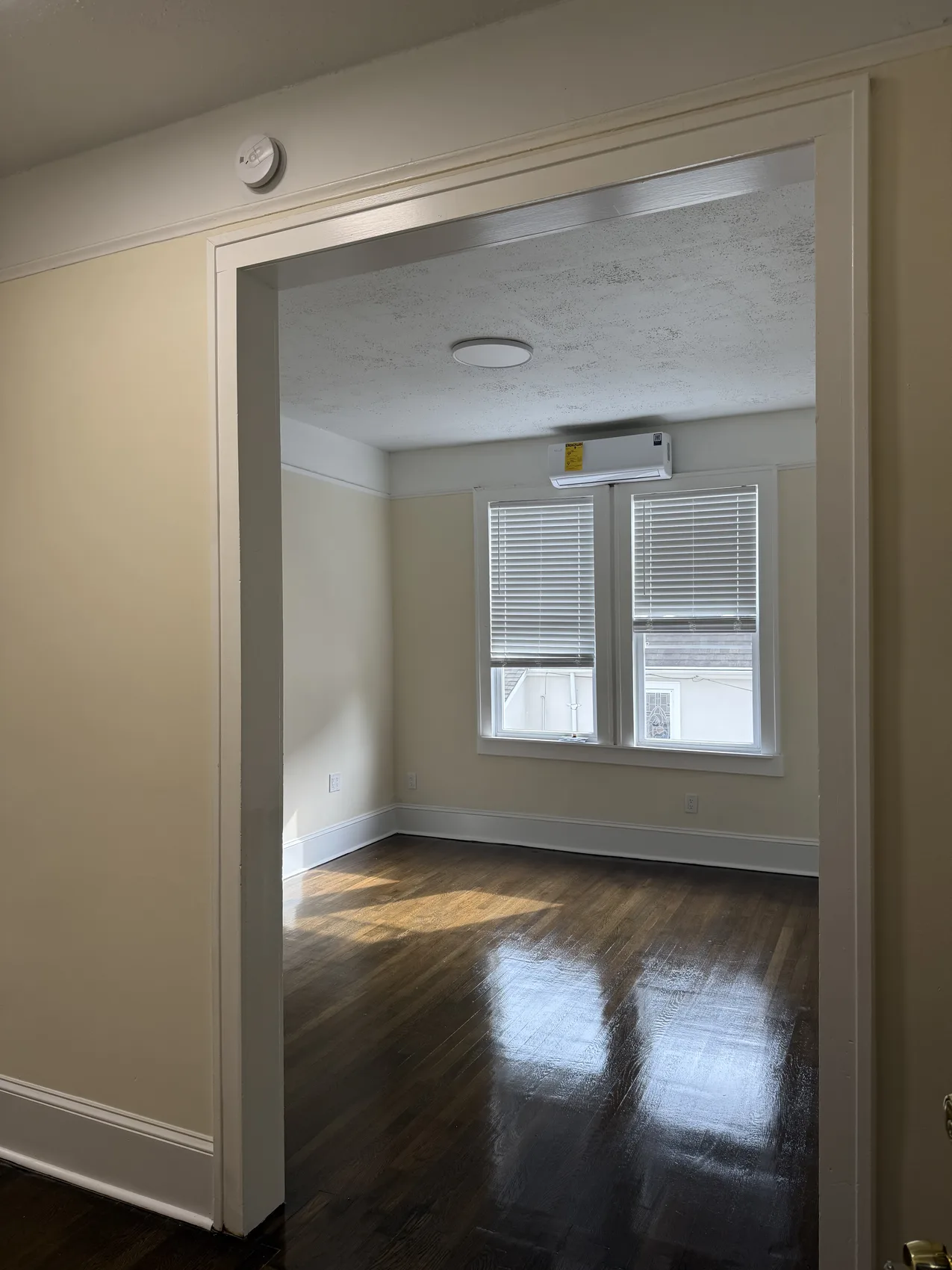
You can shave real time off a paint job before the crew arrives. Clear the rooms as much as possible, take down curtains, wall art, and outlet covers, and pull small furniture into the center or another room. Every item a painter has to move and cover is time not spent painting. Decide colors early and order enough paint up front, since a mid-job color change or a run to the store stalls everyone.
Be realistic about scope, too. Adding cabinets, built-ins, or ceilings after the estimate changes the timeline, so raise those ideas during the walkthrough. And remember that one focused crew finishing your whole house in sequence is usually faster and cleaner than stretching the same work across scattered days. Typical interior painting pricing varies widely by room size, condition, and prep, so treat any number you read online as a rough range. The reliable way to get a real timeline and price for your home is a free on-site estimate. Call Jireh Solutions at (631) 875-9031 and we will walk your rooms and give you honest numbers.
Frequently asked questions
Not properly. A single room can be done in a day, but a full house needs several days once you include prep, two coats, trim, and drying time. Anyone promising a full interior in one day is likely skipping prep or a second coat, and it will show within a year.
Two coats give even color, full coverage, and a finish that lasts, especially over old colors or patched spots. Because you must wait two to four hours between coats, that second pass adds hours, not minutes, to each room. Skipping it saves time now but usually means repainting sooner.
Usually no. Most modern water-based paints are low odor, so you can stay in rooms that are not being worked on. For heavy cabinet work with oil-based enamels or in tight, poorly ventilated spaces, plenty of fresh air helps, and some families prefer to be out during those steps.
Often yes. Settling cracks, layered old paint, plaster repairs, and coastal moisture stains all need prep before finish paint goes on. That extra care is what makes the result look smooth and last, and a good estimate should account for it. A free walkthrough is the only way to know your home's real timeline.