Hiring the wrong contractor is one of the most expensive mistakes a Long Island homeowner can make, and it almost always starts the same way: a low quote, a rushed handshake, and no real questions asked. The good news is that a short conversation up front tells you almost everything you need to know. Ask the right ten questions before you sign, and you will spot the pros from the problems long before a single board is cut.
1. Are you licensed and insured for work in Suffolk and Nassau?
This is the first question, not the last. Both Suffolk and Nassau counties require home improvement contractors to hold a valid consumer affairs license, and the license number should appear on every estimate and contract. A contractor who hesitates here, or tells you the paperwork does not matter for a small job, is showing you exactly how the rest of the project will go.
Insurance matters just as much. Ask for proof of both general liability and workers compensation coverage. If someone is hurt on your property or your home is damaged and the contractor is uninsured, that cost can land on you. A legitimate outfit carries current coverage and will not blink when you ask to see the certificate.
2. How long have you done this, and can I see local work?
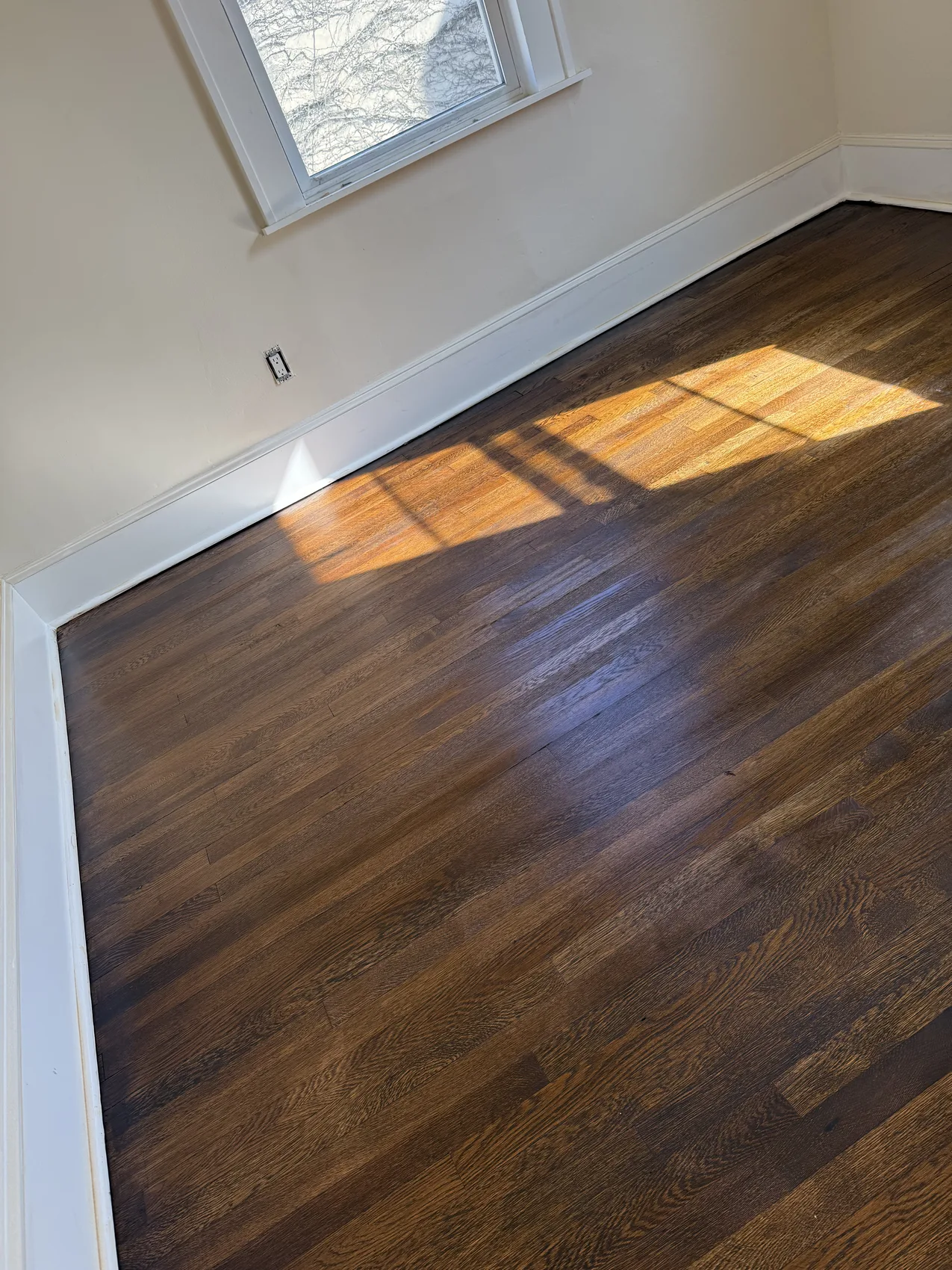
Experience is not just about years, it is about years doing this specific work in this specific place. A contractor who has spent two decades on Long Island homes understands things a newcomer does not: how South Shore humidity swells a hardwood floor, how older Nassau colonials settle, and how a Suffolk basement behaves after a wet spring. Ask directly how long they have been in the trade and how much of that time was here.
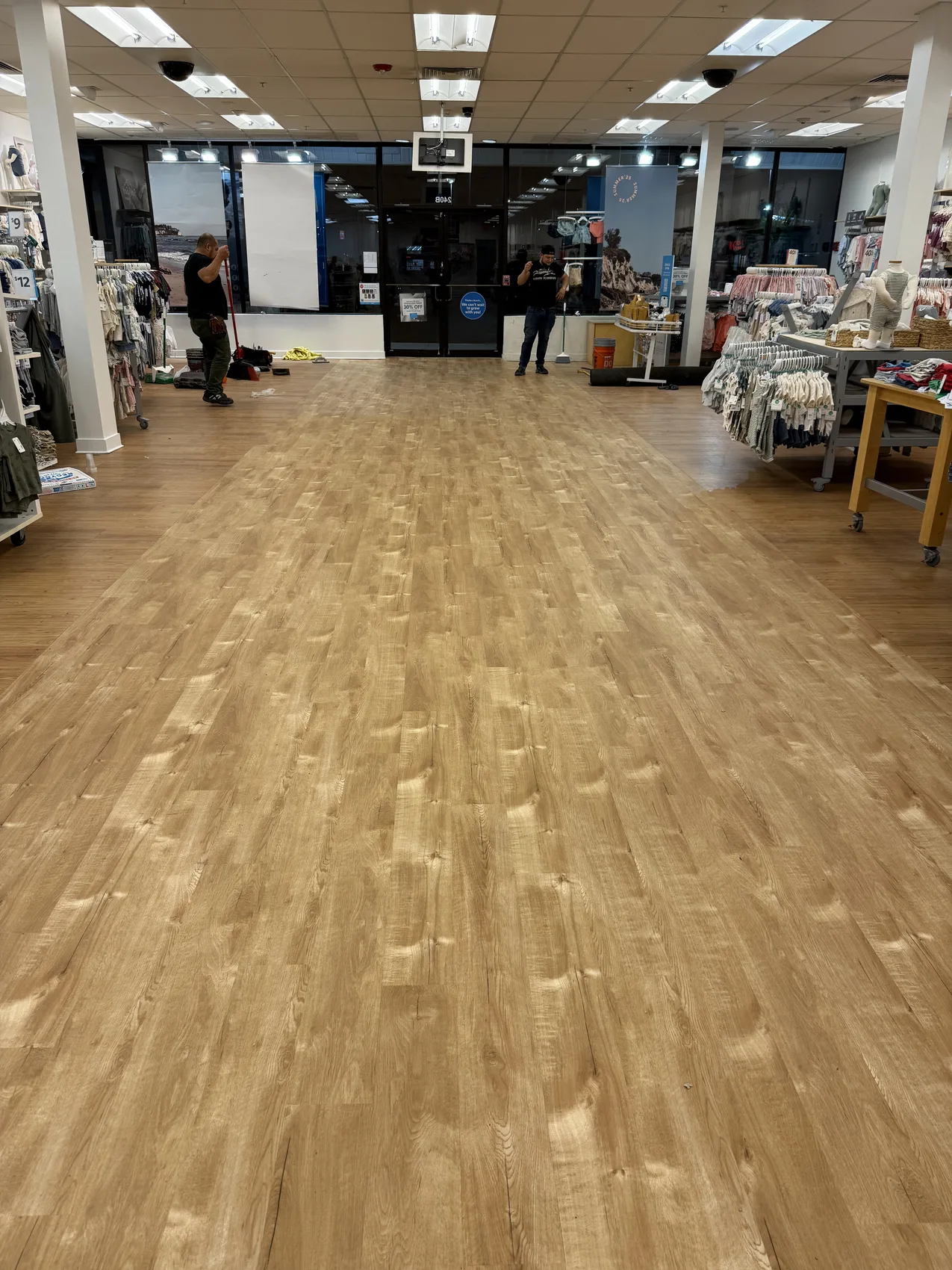
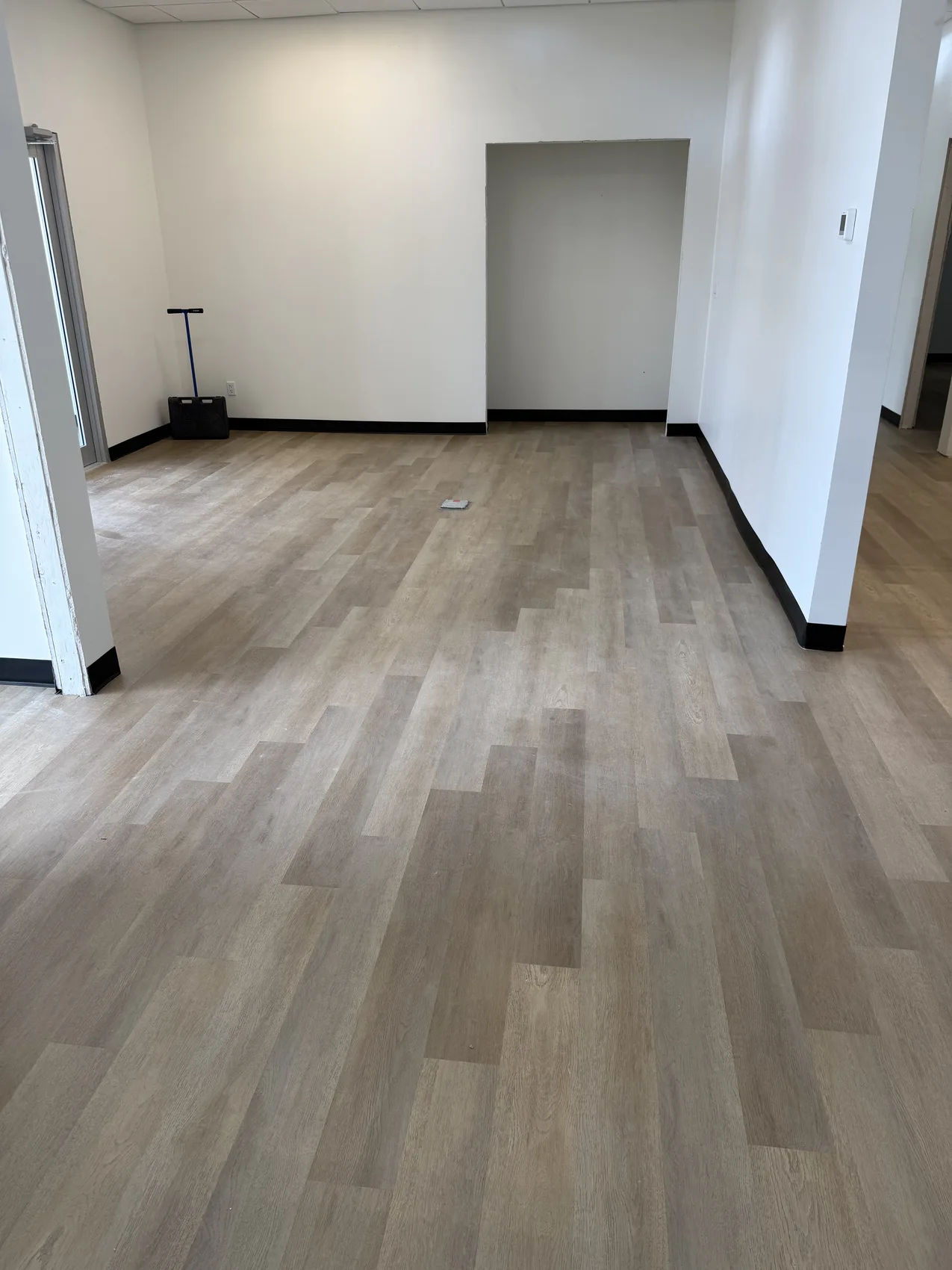
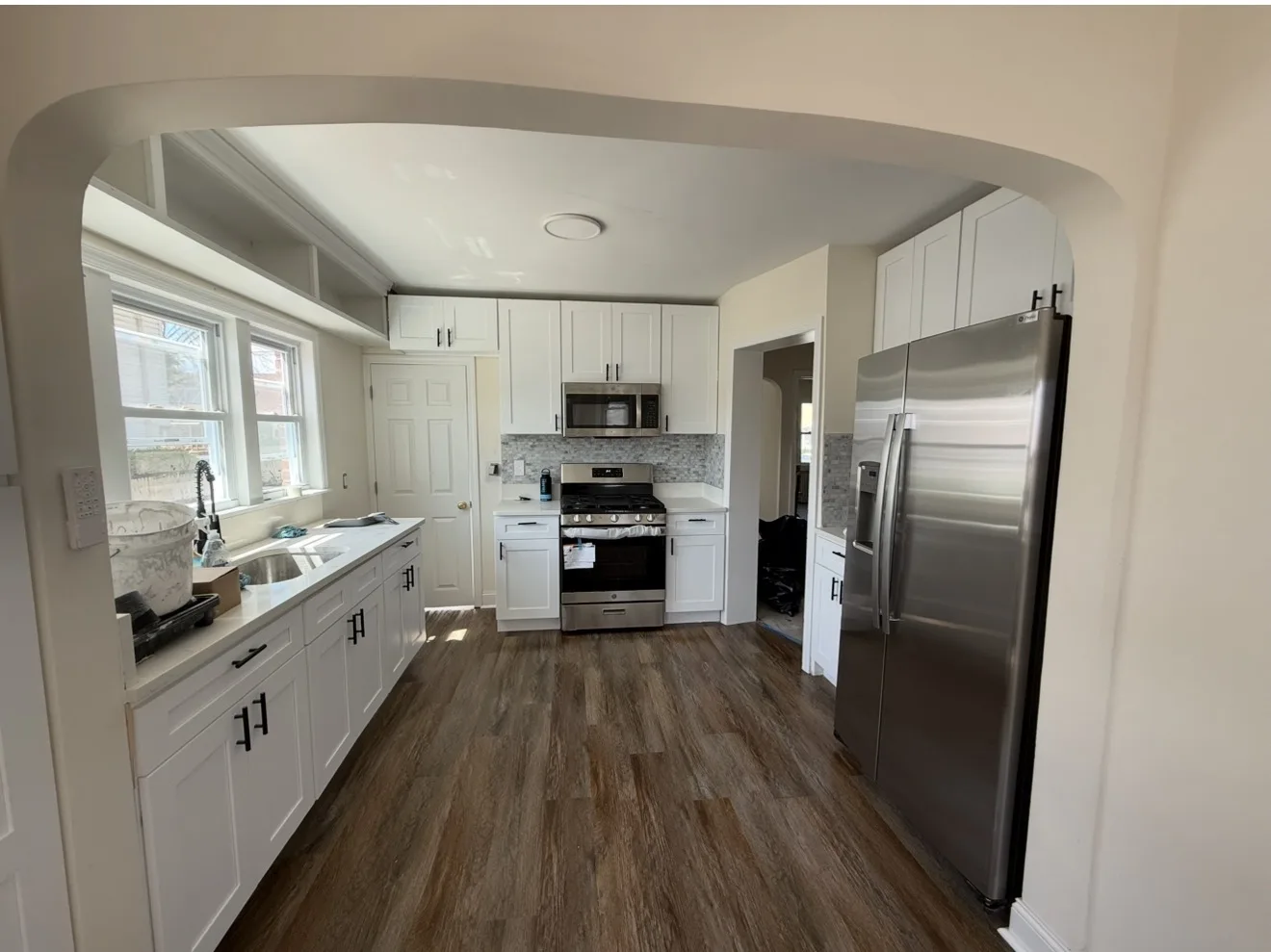
Then ask to see recent local projects, ideally in your own area. Photos are a start, but a nearby address you can drive past, or a past client willing to talk, is far stronger proof. A crew with 20 years of local flooring, carpentry and painting behind them will have plenty to point to and no reason to dodge the question.
3. Who actually does the work, and what does it cost?
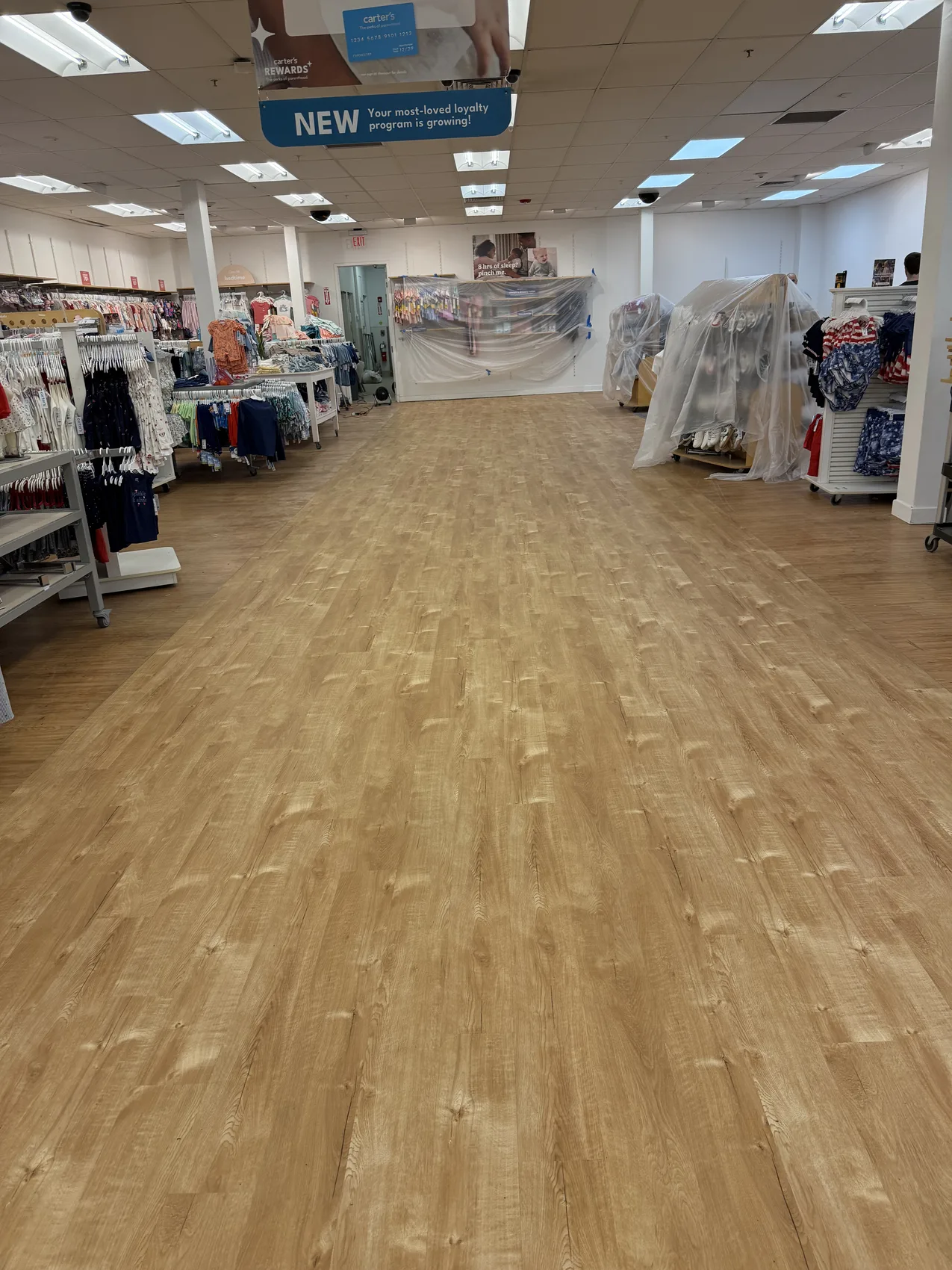
Many companies bid the job, then hand it off to whatever subcontractors are free that week. That is how quality drifts and accountability disappears. Ask plainly: will the same crew that starts my project be the one that finishes it? A single, consistent crew usually means cleaner work, better communication and one person who owns the result.
On cost, be wary of any number that sounds too good. Typical ranges vary widely by project: interior painting, flooring installation and carpentry all price differently depending on materials, square footage and condition. Honest ranges that vary by project are normal, but a bid far below everyone else usually means corners are being planned. The most reliable way to know your real number is a proper in-person estimate. Jireh Solutions provides free estimates at (631) 875-9031.
4. What goes in the contract and the timeline?
Everything you agree to should be in writing before any money changes hands. A solid contract spells out the scope of work, the materials and brands being used, the total price, the payment schedule, and a realistic start and finish window. If a detail lives only in a verbal promise, treat it as if it does not exist.
Pay attention to the payment structure. A reasonable deposit is normal, but be cautious of anyone who wants most of the money up front before work begins. A fair schedule ties payments to progress, so you are never far ahead of the work that has actually been completed. This one habit protects you more than almost anything else.
5. Warranty, permits, and how you leave the site
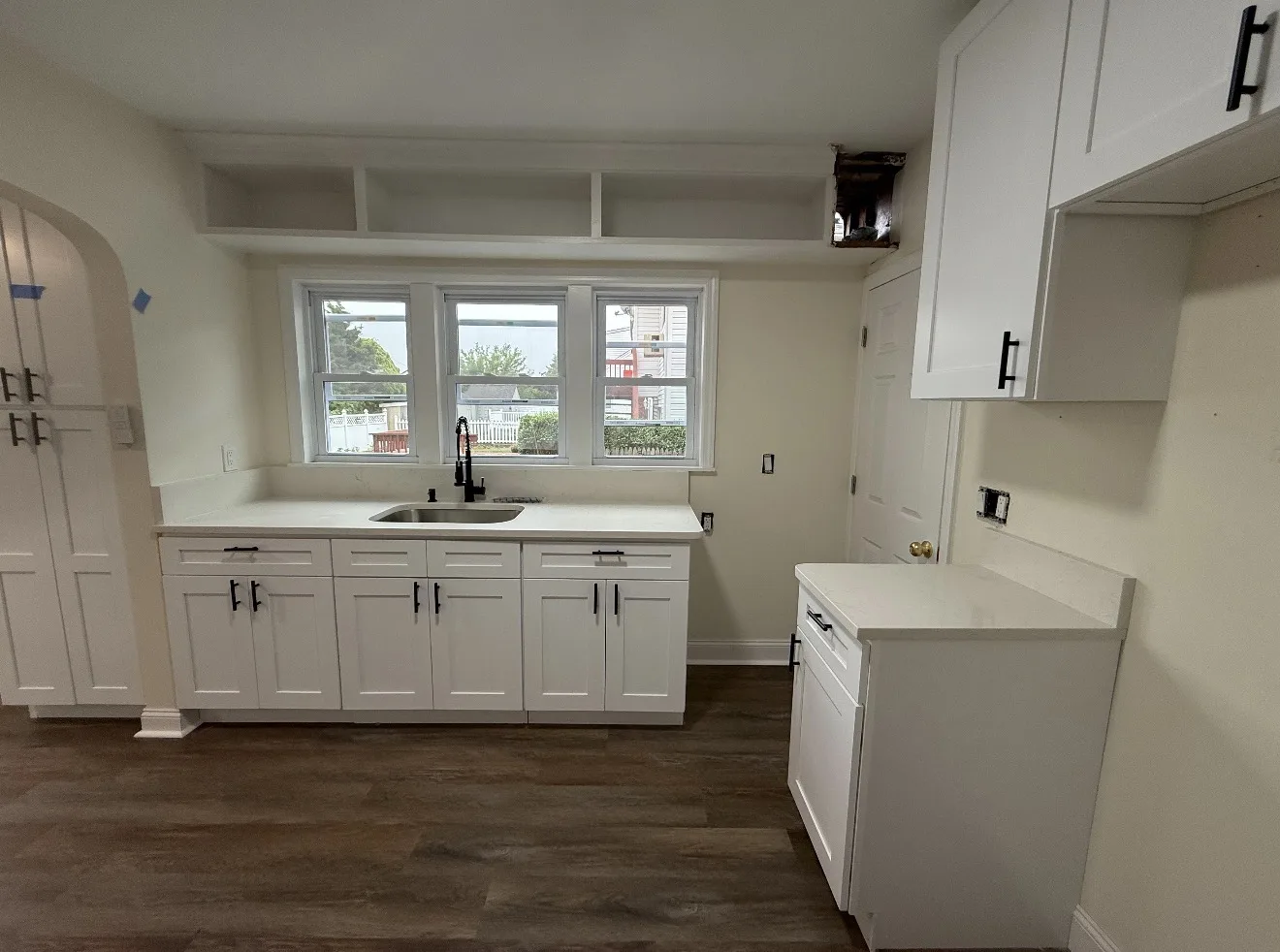
Ask what happens if something is not right after the job is done. A contractor who stands behind their work will explain their warranty clearly and will not disappear when you call. On Long Island, where seasonal humidity swings can reveal a flaw weeks later, that follow-up matters. Also ask whether your project needs a permit. Structural carpentry and certain renovations often do, and a professional handles that instead of quietly skipping it.
Finally, ask a simple question that reveals a lot: how do you leave the house at the end of each day? Serious contractors protect your floors and furniture, contain dust, and clean up as they go. A crew that treats your home with respect during the messy middle is usually the same crew that gets the details right at the end. When you have asked all ten, the right contractor will feel like a clear choice, not a gamble.
Frequently asked questions
Both Suffolk and Nassau run consumer affairs offices that let you look up a home improvement license by name or number. Ask the contractor for their license number directly, then confirm it is active before signing. A reputable local company will offer the number without being pressed.
Rarely. A price well below every other bid usually means cheaper materials, an uninsured crew, or costs that reappear later as change orders. Focus on value and clarity instead: a fair mid-range price, a detailed written scope, and a contractor who answers your questions honestly.
A modest deposit to secure your spot and cover initial materials is normal, with the rest tied to progress. Be cautious if a contractor asks for most of the total up front. A payment schedule that follows the work keeps everyone honest and protects you if something goes wrong.
Yes, more than most people expect. Coastal humidity on the South Shore can swell hardwood, affect paint drying times, and expose moisture issues in older basements. An experienced local contractor plans for these conditions, which is exactly why local experience is worth asking about before you hire.