The bedroom is the one room where the flooring debate really gets personal. It is where your bare feet hit the floor every single morning, so warmth and quiet matter more than they do in a hallway. But on Long Island, where resale value and coastal humidity both weigh heavily, the smart choice is not always the cozy one. This guide breaks down carpet versus hardwood in Suffolk and Nassau bedrooms across the three things that actually decide it: comfort, cost, and what happens when you sell.
Comfort: what your feet and ears notice
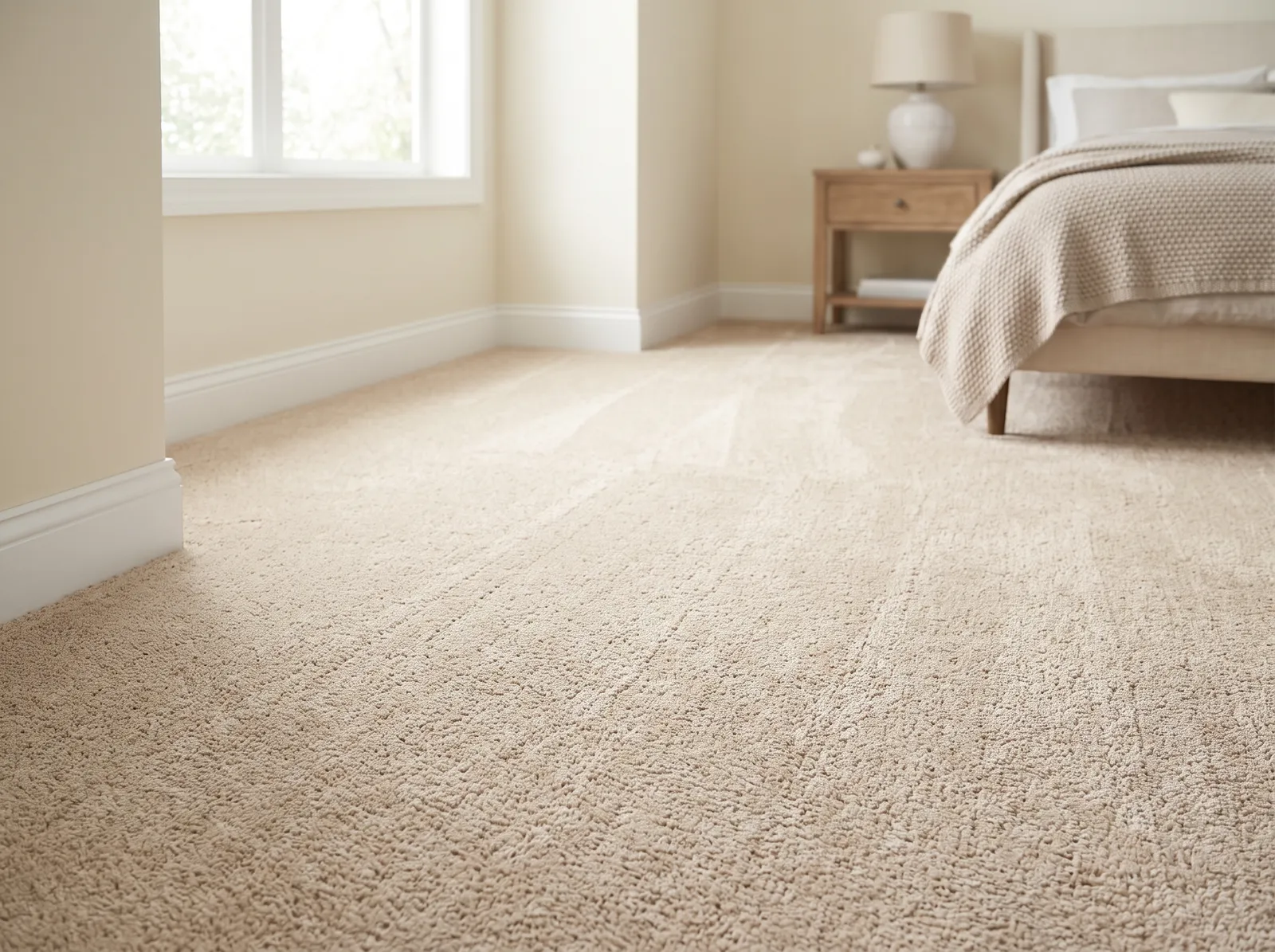
Carpet wins the pure comfort contest, and it is not close. It is soft underfoot on a cold Long Island morning, it holds warmth against our long winters, and it absorbs sound so a bedroom feels calm and private. In a second-floor bedroom over a living room, carpet also quiets footsteps for anyone below, which is a real plus in older homes with thin framing. For kids' rooms, a soft floor is simply more forgiving when little ones play and fall.
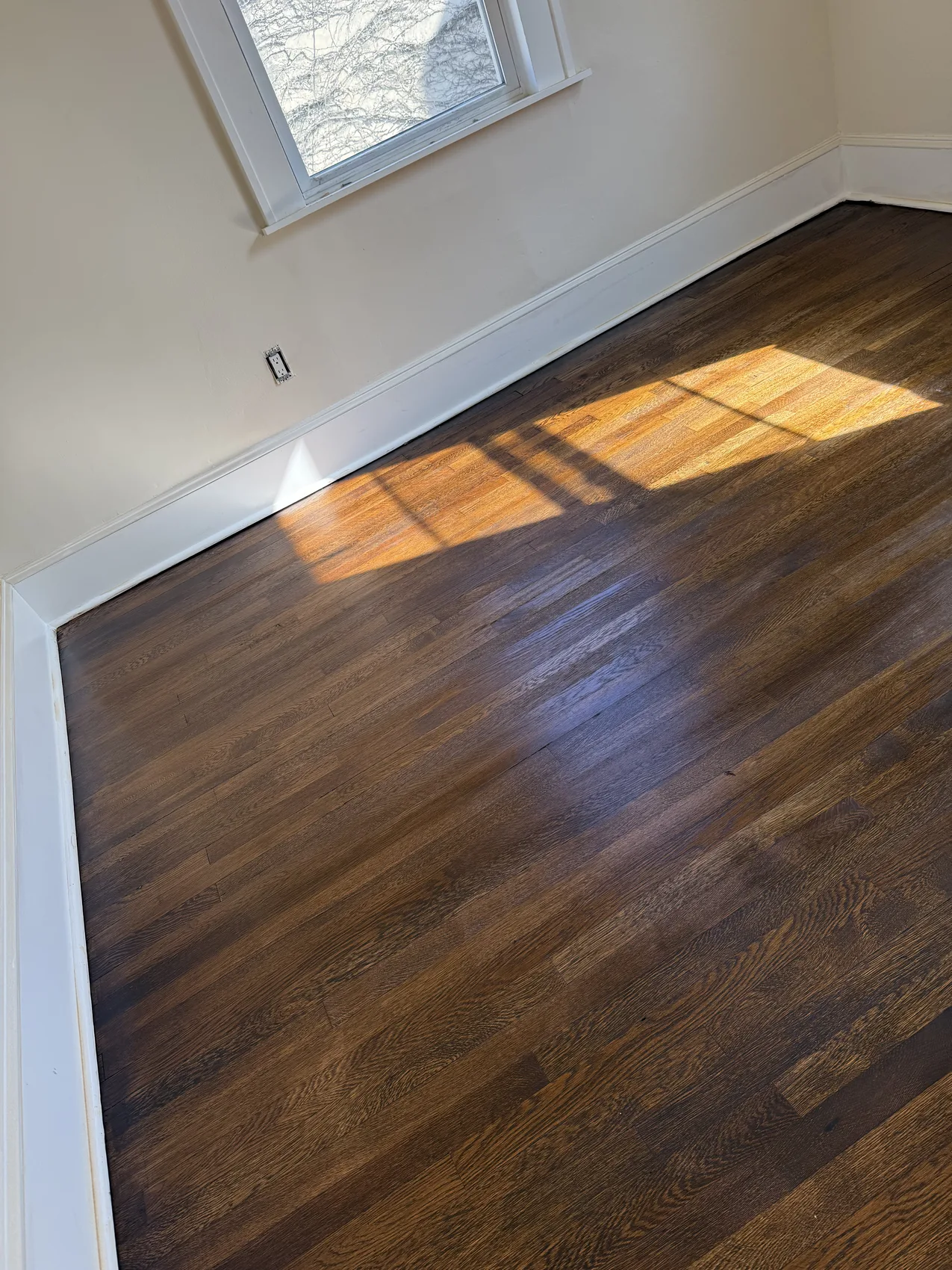
Hardwood answers with a different kind of comfort. It feels clean and cool in summer, it never traps dust, pet dander, or allergens the way carpet fibers do, and for anyone in the house with allergies or asthma that difference is felt every day. A hardwood bedroom also feels more open and easy to keep genuinely clean, since a quick sweep or damp mop reaches everything.
Many Long Island homeowners land in the middle: hardwood floors with a large, soft area rug anchoring the bed. You get the warmth and quiet exactly where your feet land, plus the clean lines and easy upkeep of wood everywhere else. It is often the best of both worlds for a primary bedroom.
Cost: upfront price and the long game
On the day of installation, carpet almost always costs less. Across the industry, carpet with a good pad tends to fall into typical ranges that vary by project, often somewhere in the area of 3 to 7 dollars per square foot installed, while hardwood in a bedroom commonly runs higher once you add material, prep, and finishing. If you have several bedrooms to do at once, that gap adds up fast, and carpet can be the way to get every room done sooner.
The long game tells a different story. A quality hardwood floor can last for decades and be sanded and refinished when it looks tired, so one investment carries the room for generations. Carpet, by contrast, wears in traffic paths, flattens, and stains, and most carpet needs replacing every 7 to 12 years. Over the life of the home, replacing carpet two or three times can quietly cost as much as hardwood would have.
These are general figures to set expectations, not a quote for your home. The only way to know your real number is to have someone measure the rooms, check the subfloor, and understand what you want. That is what a free estimate is for, and you can request one from us at (631) 875-9031.
Resale: what Long Island buyers pay for
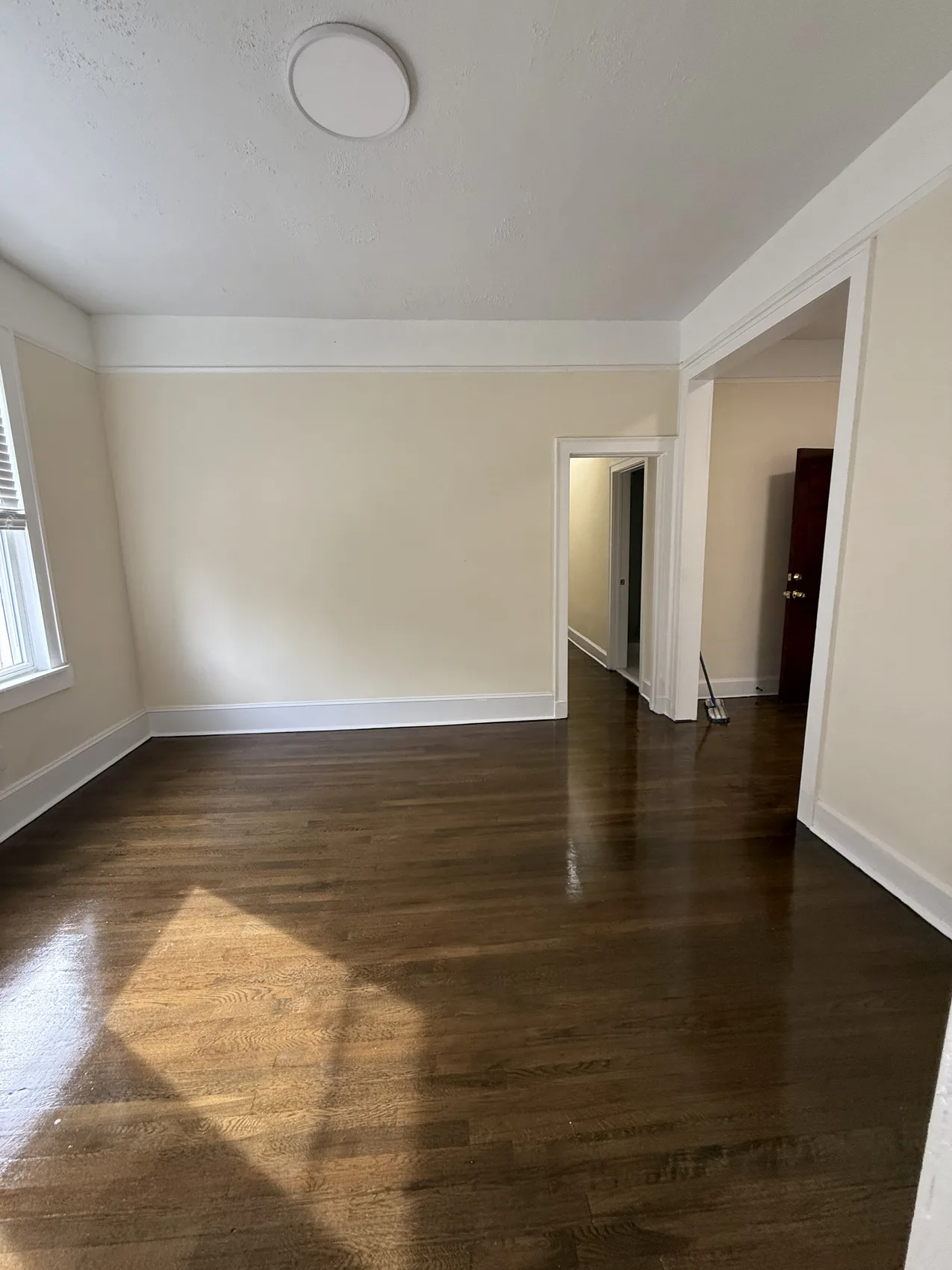
When it comes time to sell, hardwood has a clear edge in the local market. Buyers touring homes in Suffolk and Nassau consistently see hardwood as a premium feature, and listings often call it out by name. Wood floors photograph well, they signal a home that has been cared for, and they give buyers a blank slate they do not plan to change right away. Bedrooms with hardwood tend to help a home feel finished and move-in ready.
Carpet is more of a personal-taste item, and taste is exactly the problem at resale. A buyer who does not love your color, your pile, or the wear in the traffic path mentally subtracts the cost of tearing it out. Even clean carpet can read as dated to a buyer who was hoping for wood underneath. Neutral, newer carpet in good shape helps, but it rarely becomes a selling point the way hardwood does.
That said, plenty of Long Island buyers still expect soft, quiet bedrooms, especially in family homes. The strongest resale position is often hardwood in the main living areas and either hardwood or fresh, neutral carpet in the bedrooms, so the house appeals to the widest set of buyers without any room feeling like a project.
The Long Island factors that tip the decision
Coastal moisture is a real consideration here, especially on the South Shore and near the bays. Bedrooms above grade with a sound subfloor handle solid hardwood well when it is acclimated first, but in damp conditions or over concrete, engineered hardwood stays more stable through the seasons. Carpet, for its part, can trap humidity and odors in a moist room, so ventilation and a quality pad matter if you go soft.
Our older housing stock also shapes the choice. Many Levittown-era capes and ranches, plus century-old village homes, already have oak floors hiding under the bedroom carpet. If those boards are sound, refinishing what is already there is one of the best-value moves in the whole house, giving you real hardwood for a fraction of the price of new flooring. It is always worth peeking under a corner of old carpet before you decide.
Lifestyle rounds it out. Pets and allergies push toward hardwood, which does not hold dander. Young kids, a chilly upstairs, or a love of quiet push toward carpet or a wood-plus-rug setup. There is no single right answer, only the answer that fits your rooms and your household.
How to decide, room by room
You do not have to pick one material for the whole house. A common Long Island approach is hardwood in the primary bedroom for resale appeal and clean upkeep, with soft carpet in a nursery or a kid's room where warmth and cushioning matter most. Deciding room by room lets you spend where it counts and stay comfortable where you live.
If budget is tight and you have several bedrooms, fresh neutral carpet can get every room done now, with a plan to move toward hardwood later as funds allow. If you are selling within a year or two, leaning toward hardwood or at least brand-new neutral carpet usually pays back better than living-in wear ever will. And if you already have old wood under carpet, refinishing is often the smartest dollar in the discussion.
The fastest way to a clear answer is a quick walkthrough. Seeing your subfloor, your rooms, and what is under the existing carpet turns a hard abstract choice into an obvious one. With 20 years of experience across Suffolk and Nassau, we install carpet and hardwood, refinish existing floors, and give honest, itemized estimates for free, with one steady crew on your project start to finish. Call (631) 875-9031 to set up a walkthrough.
Frequently asked questions
Hardwood generally helps resale more, since local buyers treat it as a premium feature and listings often highlight it. Carpet is more a matter of personal taste, so buyers may mentally subtract the cost of replacing it. If you are selling soon, hardwood or brand-new neutral carpet tends to show best.
Yes. Carpet holds warmth against Long Island winters and absorbs sound, which is why upstairs and kids' bedrooms often feel cozier with it. Hardwood is cooler and more open, but a large area rug over wood gives you soft warmth right where your feet land while keeping the room easy to clean.
Most bedroom carpet lasts about 7 to 12 years before wear, flattening, or stains call for replacement, though bedrooms wear slower than hallways and stairs. Hardwood, by contrast, can last decades and be refinished when it looks tired. Over the life of a home, that difference narrows the cost gap between the two.
Yes, and it is common on Long Island. The main tradeoff is sound, since wood transmits more footstep noise to the room below than carpet does. A quality underlayment and area rugs help a lot. During a free walkthrough we check the subfloor and framing so the finished floor is solid and as quiet as possible.